Prostate Health and the Lumbar Spine: What CMRT Can Do for Men
Men rarely hear that chiropractic can help with prostate health — but the lumbar and sacral nerve plexus directly innervates the prostate gland. CMRT offers a non-pharmaceutical approach to chronic pelvic tension and prostate dysfunction.
I want to talk to the men reading this — directly, plainly, and without the usual hedging that makes health conversations feel clinical and distant.
A significant percentage of men over forty deal with prostate-related symptoms: the frequent urge to urinate, incomplete emptying of the bladder, lower back or pelvic pain, groin discomfort, or a dull ache that's hard to localize and harder to explain to a doctor. Many of these men suffer quietly. Some are told everything looks fine on labs. Others are given medications that help a little but don't resolve the underlying tension.
What very few of them have ever heard is this: the prostate gland is directly innervated by the lumbar and sacral nerve plexus, and chronic subluxation in the lower back and sacrum can contribute to prostate dysfunction, chronic pelvic tension, and the symptoms described above. CMRT offers a drug-free, non-invasive way to address that neurological component.
The Prostate's Nerve Supply
The prostate gland receives dual autonomic innervation:
- Sympathetic supply from L3 through L5, via the hypogastric plexus. This pathway controls smooth muscle tone in the prostate, bladder neck, and seminal vesicles — including the muscular contractions of ejaculation.
- Parasympathetic supply from S2 through S4, via the pelvic splanchnic nerves. This pathway controls glandular secretion, blood flow to the prostate and erectile tissue, and urinary sphincter relaxation.
Together these form the prostatic plexus — a dense network of autonomic nerves that wraps around the prostate and governs its function around the clock.
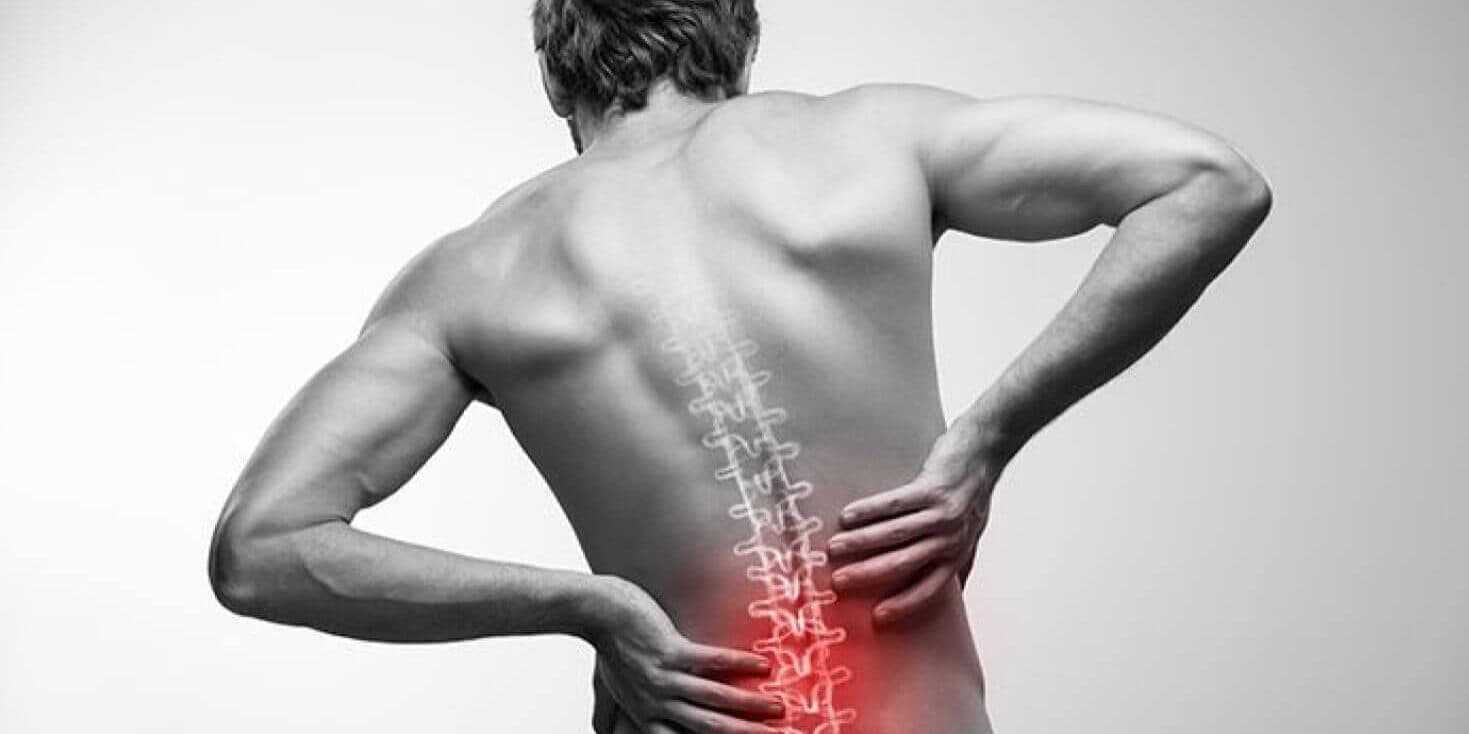
When the lumbar spine (L3-L5) or the sacrum (S2-S4) is subluxated — misaligned, restricted in motion, or under chronic muscular tension — the nerve supply to the prostate is compromised. The sympathetic-parasympathetic balance in the pelvic organs shifts, smooth muscle tone increases inappropriately, blood flow is reduced, and the gland operates in a state of chronic neurological irritation.
This is not a theoretical concept. It is basic neuroanatomy. And it has direct clinical implications for men dealing with prostate-related symptoms.
What Chronic Pelvic Tension Looks Like
Most men don't use the term "chronic pelvic tension." They describe it in other ways:
- A dull ache or pressure in the lower abdomen, perineum, or between the sit bones
- Frequent urination, especially at night
- A sense that the bladder never fully empties
- Discomfort that worsens with prolonged sitting
- Referred pain into the groin, inner thigh, or lower back
- Reduced urinary flow
Many of these symptoms overlap with what conventional medicine calls "chronic prostatitis" or "chronic pelvic pain syndrome" — a diagnosis given when infection has been ruled out and no clear structural pathology is found. This diagnosis accounts for approximately 90% of prostatitis cases, and it is notoriously difficult to treat with antibiotics or anti-inflammatories alone, precisely because the cause is often neurological and musculoskeletal rather than infectious.
The Role of Sitting
One of the most significant and underappreciated drivers of prostate and pelvic dysfunction in men is prolonged sitting. The modern workday — eight or more hours at a desk or in a vehicle — creates a specific pattern of compression and tension in the lumbosacral spine and pelvic floor.
Sitting concentrates compressive load on the sacrum and coccyx. It shortens and tightens the hip flexors (psoas and iliacus), which attach directly to the lumbar spine and create anterior pull that increases lumbar compression and reduces normal sacral motion. It reduces blood flow to the pelvic organs. And done day after day, year after year, it creates chronic dysfunction in exactly the nerve levels that supply the prostate.
Add to that the stress of a demanding job, a poor diet high in inflammatory foods, and the San Antonio summer heat — and you have a setup for chronic pelvic-lumbar dysfunction that affects prostate health directly.
CMRT Reflex Points for the Prostate
In CMRT, the prostate has specific neurolymphatic reflex points. The anterior prostate Chapman's point is located in the medial thigh, near the inguinal region and groin, on the same territory as the adductor muscles. The posterior point is at the sacral levels.
When these points are active — tender and nodular — it is a clinical signal that the prostate is under neurological and lymphatic stress. CMRT treatment involves:
- Gentle sustained contact on the anterior prostate reflex point — typically in the proximal medial thigh — held until tissue normalization and reduction of tenderness is felt
- Simultaneous or sequential contact on the posterior sacral point
- Sacral and L3-L5 spinal correction — addressing the primary source of neurological interference
- Pelvic floor assessment — identifying hypertonic muscles that are contributing to pelvic tension
- SOT category work — addressing the broader pelvic category pattern that is almost invariably present in men with lumbosacral-prostate dysfunction
Addressing Machismo Culture
I work with a lot of men in San Antonio — many of them in physically demanding jobs, many of them deeply private about health concerns, especially anything involving the pelvis or reproductive organs. The cultural script around male stoicism is real, and I respect it. But I also see what happens when men wait too long to address problems that are entirely treatable with non-invasive care.
If you're dealing with pelvic discomfort, urinary symptoms, or lower back pain that nobody has been able to explain, this is not weakness. This is your body sending a signal through its neurological pathways. Addressing it is not strange or invasive. It is anatomy.
CMRT work on the prostate reflex points is gentle, fully clothed, and performed with complete professional explanation of what is being done and why. Most men are surprised at how much tenderness they find in areas they didn't know could be treated — and how much better they feel after.
Lifestyle Factors
Beyond the structural work, several lifestyle modifications support prostate and pelvic health:
- Stay hydrated: Dehydration concentrates urine and irritates the bladder and prostate. Aim for at least 64 ounces of water daily, more in summer.
- Reduce inflammatory foods: Processed meats, fried foods, refined carbohydrates, and excessive alcohol all promote pelvic inflammation.
- Move more: Even brief walking breaks during a long workday improve pelvic blood flow and reduce the compressive effects of prolonged sitting.
- Reduce chronic stress: The prostate's sympathetic nerve supply is under constant activation during stress. Stress management is prostate management.
When to Refer
CMRT care for prostate health addresses the neurological and musculoskeletal component. It does not replace appropriate urological evaluation. Men should see a urologist if they experience: blood in the urine or semen, severe urinary obstruction, rapid worsening of symptoms, or abnormal PSA levels. Annual PSA testing is appropriate for men over 50, or over 40 for those with family history of prostate cancer.
I coordinate care with primary care physicians and urologists when needed. The goal is always the most complete care for the whole person.
Key Takeaways
- The prostate receives direct nerve supply from L3-S4 via the hypogastric and pelvic splanchnic nerves. Lumbosacral subluxation disrupts this supply and contributes to prostate dysfunction.
- Chronic pelvic pain syndrome — prostatitis without infection — is often neurological and musculoskeletal in origin, making CMRT a rational intervention.
- Prolonged sitting is a primary structural driver of lumbosacral compression and pelvic floor tension in men.
- CMRT reflex points for the prostate are in the medial thigh and at the sacral levels. Treatment is gentle, fully clothed, and professionally conducted.
- Lifestyle factors — hydration, anti-inflammatory diet, movement breaks, and stress management — are essential complements to structural care.
- Urological evaluation and PSA monitoring remain important and should not be deferred.
You don't have to just live with pelvic discomfort, urinary symptoms, or unexplained lower back pain. Call Pura Vida Chiropractic at (210) 685-1994 to discuss whether CMRT is right for your situation. We're at 2318 NW Military Hwy #103, San Antonio, TX. Hablamos español.