SOT Chiropractic in San Antonio — Sacro Occipital Technique at Pura Vida
Pura Vida Chiropractic offers Sacro Occipital Technique (SOT) in San Antonio, TX — the only Advanced SOT certified practice in the city. Learn how SOT addresses the spine, pelvis, cranium, and organs as one complete system.

Most people walk into a chiropractic office expecting an adjustment to their back or neck. That's a reasonable expectation — it's what most chiropractors do. Sacro Occipital Technique is something different. It's a complete system of diagnosis and treatment that addresses your spine, your pelvis, your cranial bones, and your internal organs as one interconnected whole. At Pura Vida Chiropractic, it's the foundation of everything we do.
What Is Sacro Occipital Technique (SOT)?
Sacro Occipital Technique — SOT for short — was developed in the 1920s by Dr. Major Bertrand DeJarnette, a man who was both an osteopath and a chiropractor. He spent more than 60 years refining a system built around one central insight: the relationship between the sacrum (the triangular bone at the base of your spine) and the occiput (the base of your skull) is the master key to the entire nervous system.
These two bones are connected by the dural tube, the tough connective tissue sheath that surrounds your spinal cord and houses the cerebrospinal fluid (CSF) that bathes and nourishes your brain and spinal cord. When this relationship is distorted, the effects ripple outward into every system of your body.
What sets SOT apart from most chiropractic methods is its use of wedge-shaped pelvic blocks placed under the pelvis while the patient lies down. Rather than applying a high-velocity thrust, SOT uses the patient's own body weight and the force of gravity to gently reposition the pelvis and sacrum. The body does the correcting — the blocks simply create the conditions for it to happen. The result is a gentle, specific, deeply effective correction that is safe for virtually everyone.
SOT does not just analyze the spine. It systematically evaluates the muscles, the cranial bones, and the organs — because in a human body, nothing is isolated.
The Three Pillars SOT Addresses
Pillar 1: The Pelvis and Sacroiliac Joint
The pelvis is the structural foundation of the entire spine. When the sacroiliac joints — where the sacrum meets the ilium on each side — are imbalanced, stress travels upward into every spinal segment above. The lumbar vertebrae compensate. The thoracics compensate. Even the neck compensates. Many people with chronic neck pain or recurring headaches have a pelvic imbalance at the root of their problem that was never identified, because the symptoms showed up far from the cause.
SOT addresses the pelvis first, using a precise indicator system to determine the exact pattern of imbalance before placing the blocks. This is not guesswork — it is a reproducible, systematic analysis refined over a century of clinical observation.
Pillar 2: The Cranium and CSF System
Most people were taught that the skull is one solid bone. It is not. The skull is made up of 22 bones, and in living adults, those bones continue to move in a subtle rhythmic motion tied to the flow of cerebrospinal fluid. This movement — the cranial rhythmic impulse, or CRI — is measurable and clinically significant.
When the cranial bones lose their normal mobility, CSF flow is impaired. The nervous system loses its ability to self-regulate. The effects show up in ways that can seem completely unrelated to the skull: headaches that never fully resolve, vertigo, ringing in the ears, TMJ pain, sinus problems, brain fog, and chiropractic adjustments that simply refuse to hold.
SOT Craniopathy is the branch of SOT that addresses these cranial restrictions with specific, light-force techniques. In experienced hands, it can produce results that conventional approaches never reach.
Pillar 3: Organ Function Through CMRT
The third pillar of SOT is Chiropractic Manipulative Reflex Technique — CMRT. This is the branch that addresses the relationship between spinal subluxations and organ dysfunction, and it is the reason that fully certified SOT practitioners can help patients with conditions that seem far outside the scope of what most people think chiropractic does.
More on CMRT below — it deserves its own section.
The SOT Category System
DeJarnette developed a clinical classification system that guides every SOT examination. It divides the most common patterns of spinal dysfunction into three categories:
Category I involves imbalance of the sacroiliac joints and the associated muscles, ligaments, and fascial systems. Category I is the foundation — when it is present, it creates a chain reaction of compensation throughout the spine.
Category II involves a more significant sacroiliac ligament sprain with involvement of the dural tube. The pelvis becomes unstable, and the tension on the dura creates a cascade of effects that reaches all the way to the occiput and cranium. Category II is often behind the cases that just won't get better — the SI joint that keeps flaring up, the headaches that come with the back pain, the patient who improves but never quite holds.
Category III involves disc involvement — the type of low back pain that refers into the leg (sciatica), with a disc that is bulging, herniated, or under excess compressive load. SOT has specific protocols for Category III that decompress the disc and restore normal sacral movement without manipulation of the disc itself.
Identifying the correct category is the first step of every SOT examination. Treating the wrong category — or treating all of them with the same approach — will not produce lasting results.
SOT and the Cranium (Craniopathy)
The cranial bones are not fused in adults. Research going back to the work of Dr. William Garner Sutherland — the osteopath who pioneered cranial work in the early 20th century — established that the 22 cranial bones have measurable motion driven by the rhythmic production and reabsorption of cerebrospinal fluid.
DeJarnette incorporated Sutherland's cranial work into SOT and developed a system of gentle cranial techniques that can restore normal mobility to restricted cranial sutures. The clinical applications are significant.
When the occiput (base of skull) loses its normal position relative to the atlas (C1) and the sacrum below, the dural tube — which attaches at both ends — comes under abnormal tension. Corrections made to the lower spine without addressing the cranial end will be partially undone by that persistent dural pull.
Conditions that often have a cranial component include:
- Chronic headaches and migraines that do not respond to spinal adjusting alone
- Vertigo and balance problems
- TMJ pain, clicking, and grinding
- Ear infections in children (repeated or chronic)
- Tinnitus (ringing in the ears)
- Sinus congestion and post-nasal drip
- Post-concussion symptoms — brain fog, light sensitivity, sleep disruption
- Adjustments that feel good for a day or two but don't hold
SOT and Organ Function (CMRT)
This is the aspect of SOT that most surprises people — including many chiropractors.
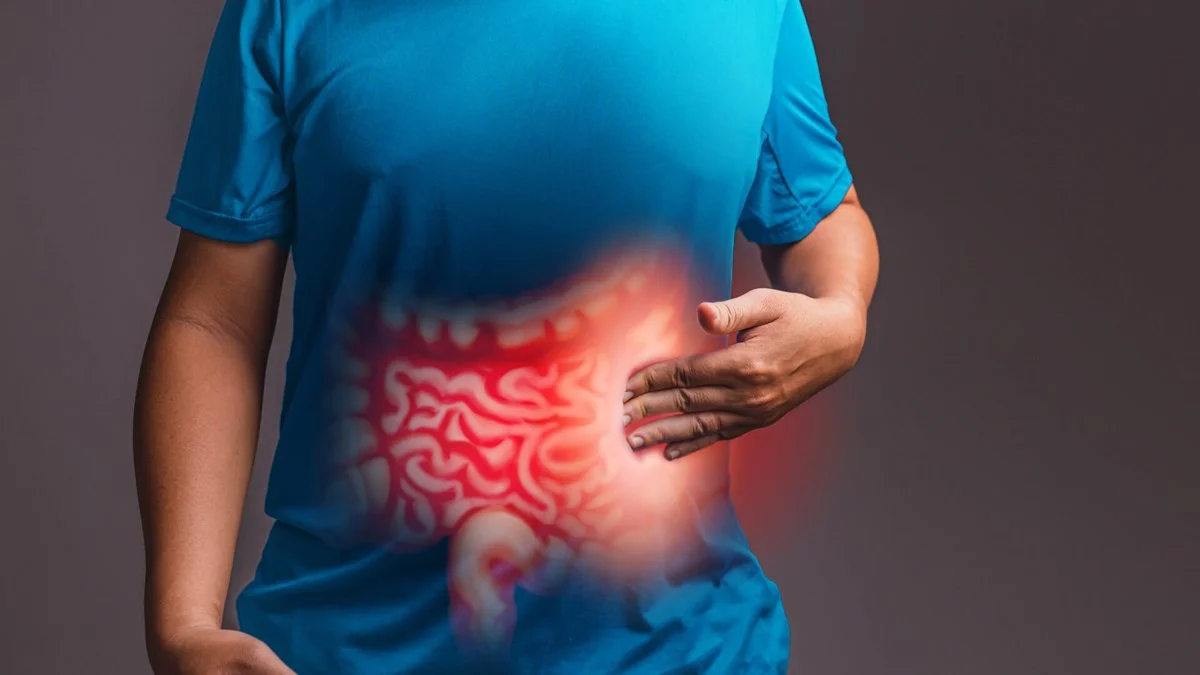
The spine is not just a structural column. It is the neurological highway between your brain and every organ and tissue in your body. The nerves that exit between your vertebrae don't just go to muscles — they supply your stomach, your intestines, your lungs, your heart, your reproductive organs, your kidneys.
When there is chronic dysfunction at a spinal level, the organ supplied by that segment is affected. Conversely — and this is the key insight behind CMRT — when an organ is stressed or dysfunctional, it sends signals back to the spine that create and perpetuate subluxations at specific vertebral levels. This is why some vertebrae keep going out in the same spot, no matter how many times they are adjusted.
If a vertebra is being driven out of position by a stressed organ, correcting the vertebra alone is like bailing out a leaky boat without plugging the hole. CMRT identifies and addresses the organ-vertebral reflex, resolving the organ stress so that the spinal correction actually holds.
Conditions that respond well to CMRT include:
- GERD and chronic acid reflux (T5 spinal level)
- IBS and digestive dysfunction
- PMS, menstrual irregularity, and hormonal imbalance
- Adrenal fatigue and chronic stress patterns
- Allergies and sinus reactivity
- Constipation and sluggish elimination
- Fertility challenges
- Prostate dysfunction
Only practitioners with Advanced SOT certification through SORSI (Sacro Occipital Research Society International) are trained in the full scope of CMRT. It is a specialized discipline that requires additional certification beyond basic SOT training.
Who Can Benefit from SOT?
Because SOT addresses the whole body as a system — structure, neurology, and organ function — the range of conditions it helps is unusually broad:
- Low back pain and chronic back problems
- Sciatica and leg pain
- Sacroiliac joint dysfunction
- Neck pain and cervical disc problems
- Headaches and migraines
- TMJ disorders
- Vertigo and dizziness
- Chronic ear infections (especially in children)
- PMS, menstrual pain, and hormonal issues
- GERD, acid reflux, and digestive problems
- Post-concussion syndrome
- Pregnancy-related back and pelvic pain
- Infant colic, torticollis, and latch difficulties
- Athletes recovering from injury
- Auto accident injuries including whiplash
- Chronic pain that hasn't responded to other treatments
- Patients who feel "off" but whose tests come back normal
SOT's gentle, block-based approach also makes it appropriate for patients who cannot tolerate forceful manipulation — including elderly patients with osteoporosis, pregnant women, infants, and post-surgical patients.
Why Pura Vida Chiropractic for SOT in San Antonio?
Here is what I want you to know: I am the only Advanced SOT-certified chiropractor in San Antonio.
That distinction matters. Basic SOT training covers the pelvic blocks and the Category system. Advanced certification through SORSI means mastery of the full scope — including Craniopathy and CMRT — the two branches that take SOT from a good technique to a complete clinical system.
I chose to pursue this level of training because of my own history. I had torticollis as a child. My parents were advised to put me on medication. Instead, they took me to a chiropractor, and a single visit changed the trajectory of my life. That experience planted a seed. When I enrolled at Western States Chiropractic College in 2003 and discovered SOT, it was the first system I had encountered that seemed big enough to explain what I had experienced as a child. I went all in.
Twenty-three years of clinical practice later, I keep going deeper into this work because the results continue to justify it. Patients come to Pura Vida after seeing multiple providers — orthopedists, neurologists, gastroenterologists — with their symptoms partially managed but never resolved. The organ connections, the cranial work, the whole-body category analysis — these give us tools that most practices simply don't have.
At Pura Vida, SOT is integrated into what we call the Pura Vida Protocol: a layered approach that combines chiropractic care with osteopathic manual therapy, physical therapy techniques, and energetic modalities. We also offer SoftWave therapy, shockwave, and Class IV laser for patients who need additional tissue healing support. Every plan is built around the individual — not a protocol off the shelf.
We are a bilingual English/Spanish clinic. A significant portion of our patients come from San Antonio's Latino community, and we want every patient to feel fully seen, heard, and cared for in their first language.
What to Expect at Your First SOT Visit
Many patients arrive a little uncertain about what chiropractic actually involves. If your only frame of reference is a rough manipulation or a lot of cracking, an SOT visit may surprise you.
Your first visit begins with a thorough consultation — we want to understand your history, not just your chief complaint. A complete physical and chiropractic examination follows, along with postural analysis and the specific SOT indicator tests that determine your category.
Then comes the treatment. Most patients are surprised by how gentle it is. The pelvic blocks are placed under your body, and you simply lie there while gravity does the work. There is no forceful thrusting, no dramatic cracking. The cranial work involves fingertip-level pressure on the skull — so light that some patients wonder if anything is happening. It is. Within minutes of the blocks being placed, most patients report a deep relaxation spreading through the low back and hips. By the end of the session, most feel measurably better.
After your first visit, we will discuss findings and give you a clear picture of what is driving your symptoms, what a realistic care plan looks like, and what you can expect over time. We do not oversell. My goal is to get you feeling your best and need us as little as possible.
Key Takeaways
- SOT (Sacro Occipital Technique) is a comprehensive chiropractic system developed by Dr. M.B. DeJarnette in the 1920s that addresses the spine, pelvis, cranium, and organs as one integrated system.
- SOT uses pelvic blocks and the patient's own body weight for correction — making it gentle, safe for all ages, and appropriate even for patients who cannot tolerate forceful manipulation.
- The SOT Category system (I, II, III) allows precise diagnosis of spinal patterns before treatment begins.
- SOT Craniopathy addresses the 22 cranial bones and CSF flow — critical for headaches, vertigo, TMJ, ear infections, and post-concussion recovery.
- CMRT (Chiropractic Manipulative Reflex Technique) addresses organ-vertebral reflexes — the hidden reason why some subluxations keep recurring.
- Dr. Dan Foss is the only Advanced SOT-certified chiropractor in San Antonio, certified through SORSI with full training in both Craniopathy and CMRT.
- Pura Vida Chiropractic is a bilingual English/Spanish clinic at 2318 NW Military Hwy #103, San Antonio, TX 78231.
Ready to Experience SOT in San Antonio?
If you have been living with pain that hasn't fully resolved, or health issues that your doctors have managed but not solved, SOT may offer something different — an analysis of the whole system, not just the part that hurts.
Call us at (210) 685-1994 to schedule your first visit. We are located at 2318 NW Military Hwy #103, San Antonio, TX 78231.
¿Habla español? Estamos aquí para usted. Llámenos al (210) 685-1994 — nuestra clínica es completamente bilingüe y sería un honor atenderle.