The Sphenoid Bone: The Master Bone of Your Skull and Why It Matters
The sphenoid bone sits at the center of the skull and articulates with every other cranial bone. When it's restricted, the effects ripple through your entire nervous system — including your hormones.
If there is one bone in the human skull that deserves the title of "master bone," it is the sphenoid. Sitting at the very center of the cranium — behind your eyes, beneath your brain, connecting to every other bone in your skull — the sphenoid is the architectural keystone of the entire cranial structure. When it moves freely and sits in proper position, the whole cranial mechanism functions. When it's restricted or misaligned, the ripple effects can reach every system in the body.
In my SOT craniopathy training and in clinical practice, no single bone reveals more about a patient's health status than the sphenoid. Let me explain why.
What and Where Is the Sphenoid?
The sphenoid bone is a single, complex, butterfly-shaped bone that sits at the base of the skull, directly behind the eye sockets and in front of the temporal bones. If you could look at the inside of the skull from above, the sphenoid would be visible as the central platform on which the brain rests.
Its anatomy is extraordinary in its complexity:
- The body of the sphenoid sits centrally and contains the sphenoidal sinuses
- The lesser wings extend forward, forming the posterior portion of the eye socket floor
- The greater wings sweep outward to form part of the side of the skull
- The pterygoid processes extend downward into the palate region
- The sella turcica — a saddle-shaped depression in the body of the sphenoid — cradles the pituitary gland
The sphenoid articulates with all eight other cranial bones: the frontal, parietal (both sides), temporal (both sides), occipital, ethmoid, and vomer. It is connected to everything. This is why sphenoid restriction has such broad effects.
The Pituitary Connection: Hormones and the Sella Turcica
The pituitary gland — the master gland of the endocrine system — sits directly in the sella turcica, a small saddle-shaped depression carved into the superior surface of the sphenoid body. The pituitary is connected to the hypothalamus above it by the pituitary stalk, and together they form the hypothalamic-pituitary axis that governs virtually all hormonal activity in the body: thyroid function, adrenal output, growth hormone, reproductive hormones, and more.
The physical relationship between the pituitary and the sphenoid is intimate. The dura mater — the tough outer membrane of the brain — forms the roof of the sella turcica, called the diaphragma sellae. When the sphenoid is under mechanical stress or restricted in its normal cranial motion, the dural tension transmitted through the sella turcica affects the pituitary's mechanical environment.
This is not a remote or speculative connection. It is direct, physical, and anatomically verifiable. Chronic sphenoid restriction is a rational contributing factor to hormonal dysregulation — not a cause of endocrine disease in isolation, but a structural variable that can compound other influences on hormonal health.
The Optic Canal: Vision and the Sphenoid
The optic nerves — cranial nerve II — travel from the eyes through the optic canals, which are bony tunnels drilled through the lesser wings of the sphenoid. The two optic canals converge at the optic chiasm, located just superior to the pituitary, where the visual fields cross before continuing to the visual cortex.
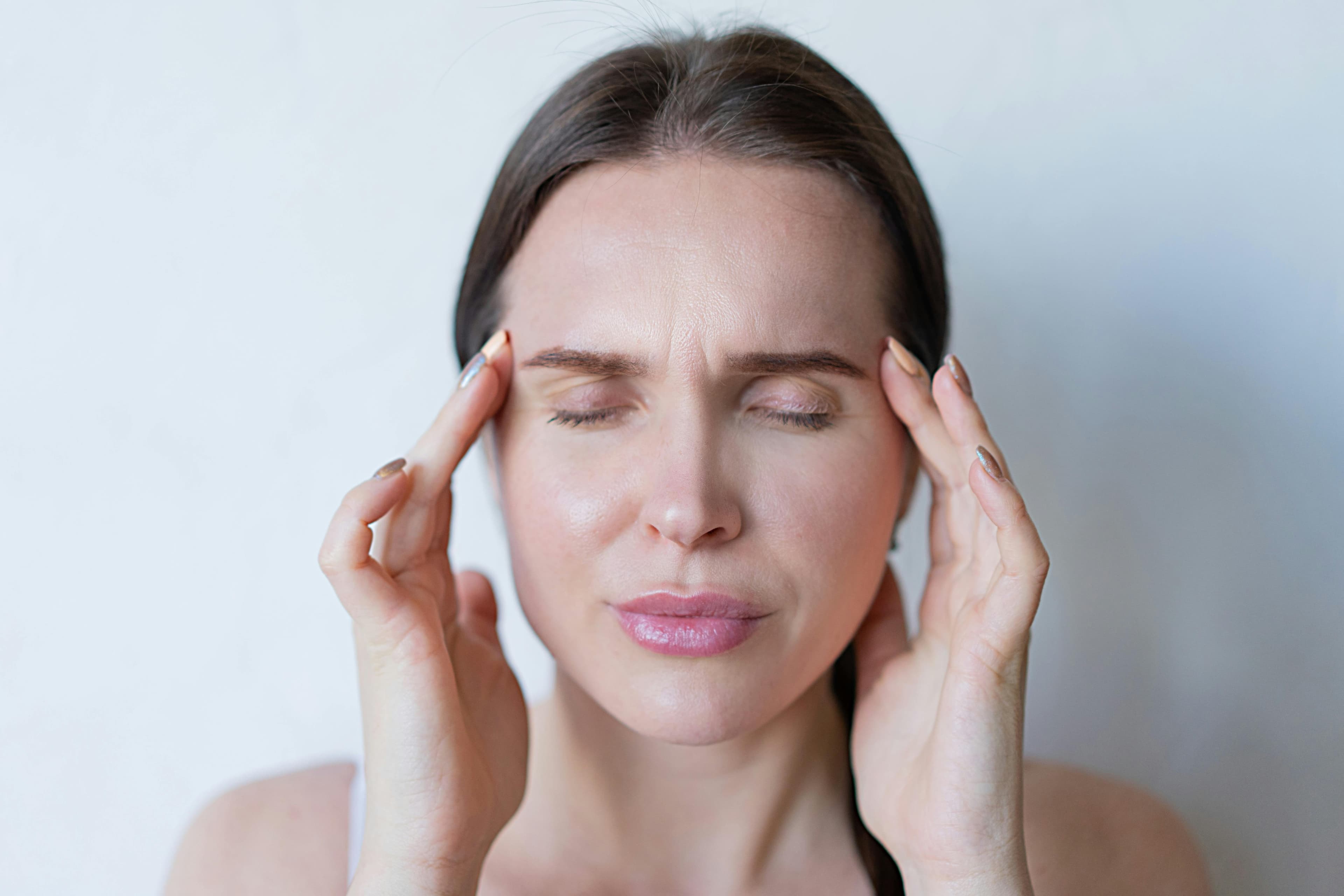
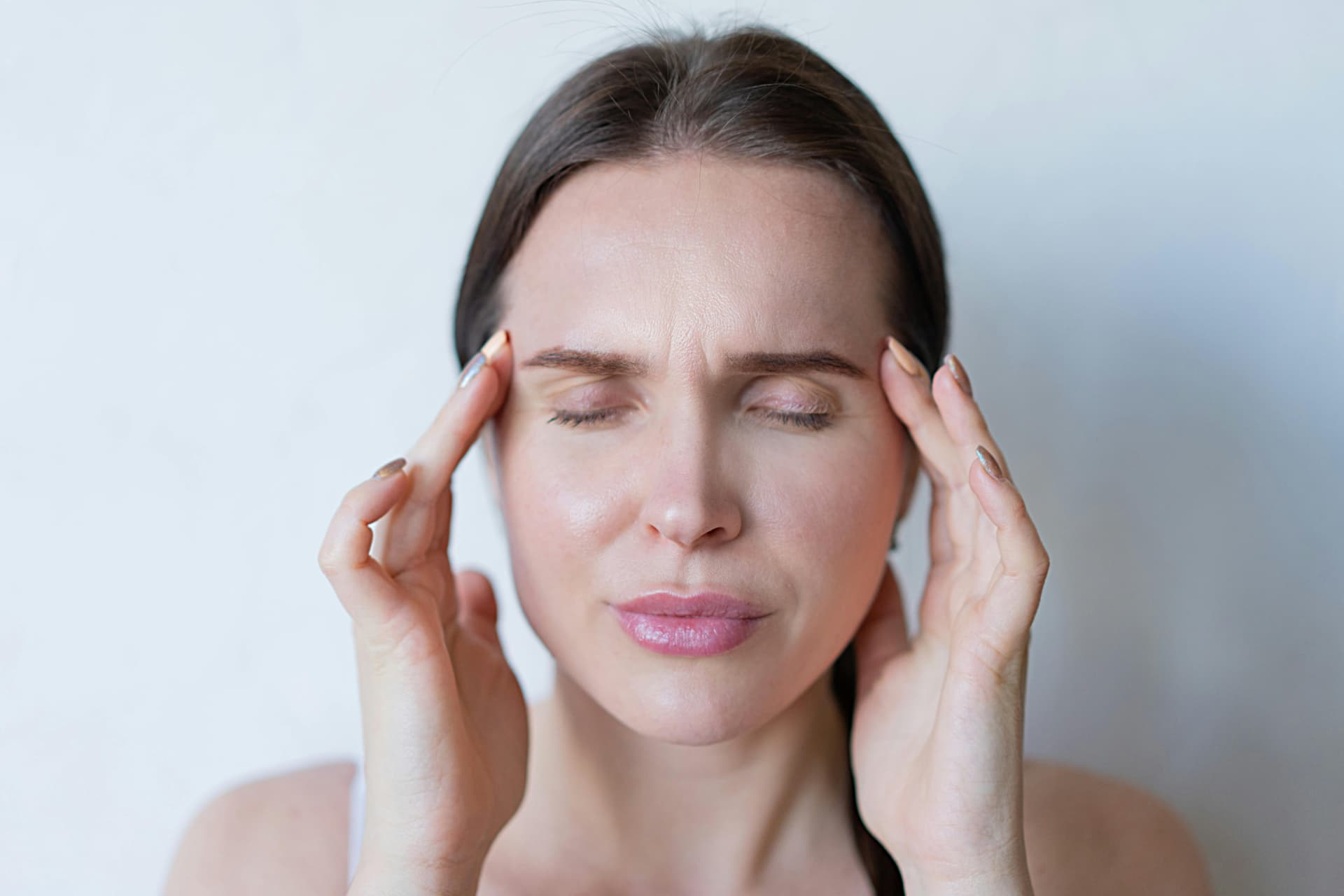
When the sphenoid is restricted or under torsion strain, the optic canals can be slightly narrowed or their alignment subtly altered. In patients with chronic headaches behind the eyes, visual fatigue, light sensitivity, or pressure sensations around the eye sockets, sphenoid restriction is always on my differential.
This is one reason why some patients with chronic vision-related symptoms — not pathological vision disease, but functional visual discomfort — find relief through cranial adjusting when other approaches have not helped.
The Sphenoidal Sinuses
The sphenoid bone contains the sphenoidal sinuses — air-filled cavities sitting deep within the skull, directly behind the nasal cavity. These sinuses drain into the nasal passages through small openings at their front walls.
The sphenoidal sinuses are the deepest, most centrally located sinuses in the skull — and when they become congested or inflamed, the symptoms are often more diffuse and harder to localize than typical sinus issues. Patients describe deep pressure behind the eyes, at the top of the head, or a generalized sense of cranial fullness that doesn't respond well to standard sinus medications.
Sphenoid restriction impairs normal sinus drainage and mucosal circulation within these deep cavities. Cranial adjusting that normalizes sphenoid mobility often improves sphenoidal sinus drainage and reduces the congestion that drives these deep, poorly localized sinus symptoms.
The Sphenobasilar Synchondrosis (SBS)
The most important relationship the sphenoid has is with the occiput — the bone at the back and base of the skull. The junction between these two bones is called the sphenobasilar synchondrosis (SBS). This articulation is the subject of an entire post of its own, but it deserves mention here because it is inseparable from understanding the sphenoid.
The SBS is the fulcrum of the primary respiratory mechanism — the rhythmic cranial motion that the nervous system uses to circulate cerebrospinal fluid and maintain optimal brain environment. The relative position and motion pattern of the sphenoid and occiput at the SBS governs the entire cranial mechanism's behavior.
When the SBS is in a strain pattern — as a result of birth trauma, head injury, whiplash, or chronic postural loading — the sphenoid is pulled out of its optimal position relative to every other cranial bone it contacts. The effects cascade through the entire cranium.
What Sphenoid Restriction Causes
Patients presenting with the following symptom patterns should have their sphenoid mobility assessed:
- Headaches behind the eyes or at the top of the skull — often described as pressure, fullness, or a deep ache rather than a sharp pain
- Visual fatigue, eye strain, or pressure around the eye sockets
- Deep sinus congestion that doesn't fully clear with standard treatments
- Hormonal irregularities — particularly thyroid, adrenal, or reproductive hormone disruption that doesn't have a clear primary endocrine pathology
- Facial asymmetry — because the sphenoid forms part of the eye socket and articulates with the facial bones, sphenoid torsion can produce subtle asymmetries
- Chronic pressure at the roof of the mouth — the pterygoid processes of the sphenoid connect to the palate, and sphenoid restriction can produce palatal tension
How Cranial Adjusting Corrects Sphenoid Dysfunction
Cranial adjusting of the sphenoid is one of the most refined techniques in the SOT craniopathy curriculum. Access to the sphenoid is achieved through specific contact points: the greater wings are palpable at the temples, and indirect access through the occiput, frontal bone, and temporal bones also allows sphenoid position to be influenced.
Treatment involves extremely light, sustained contact — the pressure is measured in grams, not pounds — that creates a fascial and membranous release in the cranial dural system. As the dural tension releases, the sphenoid returns to its optimal position relative to the occiput and the surrounding cranial bones.
My SOT craniopathy certification through SORSI represents advanced training in exactly this type of work. It is a distinct clinical skill set — different from standard cervical manipulation — and not every chiropractor performs it.
Key Takeaways
- The sphenoid is the central cranial bone, articulating with all eight other cranial bones. Its position and motion affect the entire cranial mechanism.
- The pituitary gland sits in the sella turcica of the sphenoid — direct anatomical connection to the body's master hormonal control center.
- The optic canals pass through the lesser wings of the sphenoid. Sphenoid restriction can contribute to headaches behind the eyes and visual discomfort.
- The sphenoidal sinuses are the deepest sinuses in the skull. Sphenoid restriction impairs their drainage and contributes to deep, diffuse sinus symptoms.
- The sphenobasilar synchondrosis — where sphenoid meets occiput — is the fulcrum of the primary respiratory mechanism.
- SOT craniopathy adjusting uses extremely light contact to restore sphenoid mobility and normalize cranial dural tension.
If you've been dealing with chronic headaches behind the eyes, deep sinus pressure, visual fatigue, or hormonal disruption that hasn't responded to standard care, a cranial evaluation may be the missing piece. Call Pura Vida Chiropractic at (210) 685-1994. We're at 2318 NW Military Hwy #103, San Antonio. We offer craniopathy evaluation in English and Spanish.