Tendonitis Chiropractor in San Antonio, TX | Dr. Dan Foss
Tendonitis treatment at Pura Vida Chiropractic. Dr. Dan Foss uses SOT and laser therapy for tendon pain relief in San Antonio, TX.
Tendonitis Treatment at Pura Vida Chiropractic in San Antonio
Tendonitis—inflammation of tendons connecting muscles to bones—causes pain, weakness, and restricted motion that can severely limit your activities. Whether you experience tennis elbow, golfer's elbow, Achilles tendonitis, rotator cuff tendonitis, or patellar tendonitis, the underlying problem is inflammation and microscopic damage to tendon tissues from excessive or abnormal stress. At Pura Vida Chiropractic, Dr. Dan Foss, DC specializes in treating tendonitis by addressing both the local inflammation and the biomechanical dysfunction creating abnormal stress on tendons.
Understanding Tendonitis: Anatomy and Pathophysiology
Tendons are dense connective tissues that transmit force from muscles to bones, enabling movement. Unlike muscles, tendons have limited blood supply and receive nutrients primarily through diffusion. This makes tendons slow to heal when injured. Tendonitis occurs when tendons become inflamed and damaged from:
Common Tendonitis Sites
- Shoulder: Rotator cuff tendonitis (supraspinatus, infraspinatus)
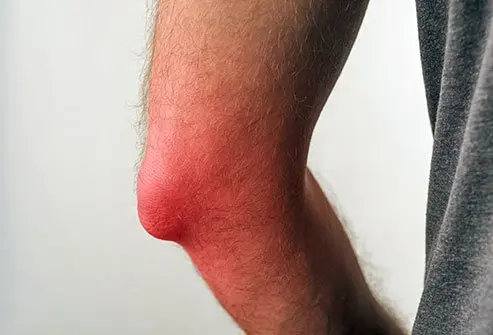
- Elbow: Lateral epicondylitis (tennis elbow) and medial epicondylitis (golfer's elbow)
- Wrist: Flexor carpi radialis and extensor carpi radialis tendonitis
- Hip: Iliopsoas and hip adductor tendonitis
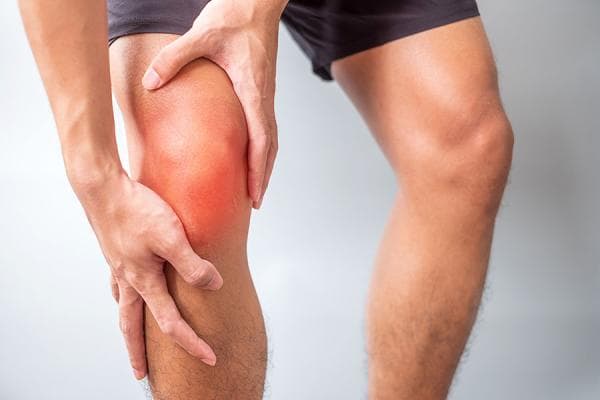
- Knee: Patellar tendonitis (jumper's knee)
- Ankle: Achilles tendonitis and peroneal tendonitis
- Foot: Posterior tibial tendonitis and extensor tendonitis
How Tendonitis Develops
Tendonitis develops from:
- Repetitive stress: Repetitive movements creating cumulative microtrauma
- Acute overuse: Sudden increase in activity level or intensity
- Abnormal biomechanics: Misaligned joints creating uneven stress distribution
- Inadequate recovery: Insufficient rest between repetitive activities
- Aging: Tendons naturally weaken with age
The Biomechanical Root of Tendonitis
While tendonitis is often attributed to overuse, the real problem is abnormal biomechanics creating excessive stress on specific tendons. For example:
Rotator Cuff Tendonitis: Results from shoulder impingement mechanics (often caused by cervical spine misalignment and postural dysfunction) that create abnormal stress on rotator cuff tendons.
Tennis Elbow: Results from altered wrist and elbow mechanics from cervical and thoracic spine misalignment affecting nerve supply and muscle coordination.
Achilles Tendonitis: Results from ankle and foot mechanics altered by sacroiliac joint or lower lumbar spine dysfunction.
Patellar Tendonitis: Results from altered knee mechanics from hip and pelvic misalignment.
Without correcting the underlying biomechanical problem, tendonitis recurs repeatedly despite rest, ice, and other symptomatic treatments.
Why Dr. Dan Foss's Approach Works for Tendonitis
Dr. Dan Foss has successfully treated tendonitis of all types since founding Pura Vida Chiropractic in 2010. His understanding that tendonitis results from biomechanical dysfunction rather than isolated overuse makes his approach uniquely effective.
Rather than simply reducing inflammation at the tendon, Dr. Foss corrects the spinal and joint misalignments creating abnormal stress on the tendon. By restoring normal biomechanics, he allows the inflammation to resolve and prevents recurrence.
The Pura Vida Protocol for Tendonitis Treatment
SOT Category I: Alignment Correction Based on Tendon Location
For rotator cuff tendonitis: Dr. Foss corrects cervical spine (C4-C6) and upper thoracic misalignments that impair rotator cuff muscle function and create impingement.
For tennis elbow: Category I corrections address cervical spine misalignments affecting the nerve supply to forearm muscles and wrist extensors.
For Achilles tendonitis: Category I corrections address sacroiliac and lower lumbar misalignments affecting calf muscle function and ankle biomechanics.
For patellar tendonitis: Category I corrections address sacroiliac and lumbar misalignments that alter hip and knee mechanics.
By restoring proper spinal alignment, Dr. Foss normalizes the biomechanics and nerve function supporting affected tendons.
SOT Category II: Cranial Support for Healing and Anti-Inflammatory Response
Cranial misalignments compromise nervous system function, reducing the body's ability to modulate inflammation and coordinate movement. SOT Category II cranial adjustments enhance cerebrospinal fluid circulation and brain function, supporting the body's natural inflammatory resolution and promoting optimal movement coordination.
This cranial component often accelerates tendon healing and frequently produces dramatic symptom improvements.
SOT Category III: Structural Integration for Movement Normalization
Category III corrections ensure that the entire spinal structure supports normal biomechanics and movement patterns. By addressing overall structural alignment, Dr. Foss creates the foundation for normal tendon function.
CMRT for Tendon-Related Muscle Reflex Enhancement
Chiropractic Manipulative Reflex Technique directly addresses the neurological reflexes controlling muscle function and coordination related to affected tendons. By stimulating specific reflex patterns, Dr. Foss enhances muscle coordination and reduces the abnormal stress patterns creating tendonitis.
CMRT often produces rapid improvements in tendonitis as muscle coordination normalizes.
Class IV Laser Therapy for Tendon Healing
Class IV laser therapy penetrates deep into tendon tissues, producing remarkable healing benefits:
- Reduces inflammation: Decreases pro-inflammatory cytokine production
- Enhances blood flow: Improves nutrient and oxygen delivery to poorly vascularized tendons
- Stimulates healing: Enhances collagen synthesis and tissue regeneration
- Modulates pain: Reduces pain signaling in inflamed tendon tissues
- Prevents scar tissue: Optimizes tissue remodeling to prevent adhesions
For acute tendonitis, laser therapy rapidly reduces inflammation and pain. For chronic tendonitis with scar tissue, laser therapy promotes tissue remodeling and functional restoration.
Shockwave Therapy for Chronic Tendon Dysfunction
For chronic tendonitis with significant degeneration or calcification, shockwave therapy stimulates tissue regeneration. The mechanical waves:
- Break down scar tissue and calcifications
- Stimulate new blood vessel formation
- Promote biological healing responses
- Trigger tissue regeneration
Shockwave therapy is particularly valuable for chronic tendonitis unresponsive to other treatments.
The Complete Tendonitis Care Plan at Pura Vida Chiropractic
Initial Comprehensive Evaluation
Dr. Dan Foss performs detailed evaluation including:
- Thorough history of pain onset, activities, and aggravating factors
- Specific functional limitation assessment
- Orthopedic testing specific to affected tendon
- Spinal and joint alignment assessment
- Movement pattern and biomechanics analysis
- Muscle strength and coordination testing
This evaluation identifies the specific tendon involved and the biomechanical dysfunction creating abnormal stress.
Customized Treatment Protocol
Based on the specific tendon affected and underlying biomechanical problem, Dr. Foss designs a treatment plan. Most patients require 2-3 adjustments per week initially, with frequency adjusted based on improvement.
Therapeutic Exercise and Rehabilitation
Dr. Foss prescribes specific exercises that improve the biomechanics creating stress on the tendon. These exercises include:
- Muscle strengthening focused on weak muscles contributing to the problem
- Eccentric loading exercises that promote tendon healing
- Movement pattern corrections that normalize biomechanics
- Stretching and flexibility work for tight muscles creating abnormal stress
Activity Modification Recommendations
Dr. Foss provides specific recommendations for activities to modify or avoid while the tendon heals. Unlike rest-based approaches, these modifications allow continued function while protecting the healing tendon.
Adjunct Therapies
For more severe or chronic cases, Class IV laser therapy and shockwave therapy accelerate healing and improve outcomes.
Progress Monitoring
Regular reassessments track pain improvement, strength restoration, and functional return. Treatment is adjusted based on progress.
Understanding Tendon Healing: Why Tendons Take Time
Tendons heal slowly because:
- They have limited blood supply compared to muscles
- They rely on diffusion for nutrient delivery
- The inflammatory phase (where most healing occurs) lasts 6-12 weeks
- Complete collagen remodeling takes 3-6 months
This is why rest-based approaches often fail—they prevent tissue stress but don't promote active healing. Chiropractic care combined with appropriate therapeutic exercise actively promotes healing while preventing re-injury.
Acute vs. Chronic Tendonitis
Acute Tendonitis
Develops from a specific incident of overuse or acute injury. Acute tendonitis typically responds well to chiropractic care within 4-8 weeks.
Chronic Tendonitis
Develops from long-standing repetitive stress or incomplete treatment of acute tendonitis. May involve tendon degeneration and scar tissue requiring more extensive treatment. Chronic cases typically require 8-16 weeks but still respond well to comprehensive chiropractic care.
Common Tendonitis Patterns and Underlying Causes
Rotator Cuff Tendonitis from Impingement
Most rotator cuff tendonitis results from shoulder impingement—cervical spine misalignment, postural dysfunction, and rotator cuff weakness create supraspinatus or infraspinatus tendonitis. Treatment addressing cervical spine alignment and shoulder mechanics typically resolves this condition.
Tennis Elbow from Forearm Overload
Tennis elbow (lateral epicondylitis) results from cervical spine misalignment impairing wrist extensor muscle nerve supply. Poor wrist mechanics and forearm muscle imbalance perpetuate the problem. Treatment addresses cervical spine alignment and forearm muscle balance.
Golfer's Elbow from Flexor Overload
Golfer's elbow (medial epicondylitis) involves forearm flexor tendonitis. Similar to tennis elbow, it results from cervical spine dysfunction and altered wrist mechanics. Treatment addresses these biomechanical factors.
Achilles Tendonitis from Ankle Dysfunction
Achilles tendonitis results from calf muscle overload combined with abnormal ankle biomechanics from sacroiliac or lumbar spine dysfunction. Treatment addresses lower spinal alignment and ankle mechanics.
Patellar Tendonitis from Knee Tracking
Patellar tendonitis (jumper's knee) results from altered knee tracking from pelvic and hip misalignment. Treatment addresses pelvic and lumbar alignment that normalizes knee mechanics.
Timeline for Tendonitis Improvement
Early Response (Weeks 1-2): Most patients experience reduced pain within 1-2 weeks of treatment initiation.
Significant Improvement (Weeks 2-4): By 4 weeks, most patients report notable improvement in pain and function.
Substantial Healing (Weeks 4-8): By 8 weeks, most patients experience significant functional restoration.
Major Improvement (Weeks 8-12): By 12 weeks, most patients achieve near-complete resolution.
Complete Healing (Weeks 12-16): Complete resolution and full return to activity typically occurs within 16 weeks.
Timeline varies based on:
- Acuteness (acute vs. chronic)
- Severity of tendon damage
- Duration before treatment
- Consistency with care
- Compliance with exercises
Preventing Tendonitis Recurrence
Once tendonitis resolves, preventing recurrence requires:
Maintaining Corrected Spinal Alignment
Periodic maintenance adjustments prevent subluxation recurrence that would recreate abnormal biomechanics.
Continuing Therapeutic Exercises
Continued performance of exercises that corrected biomechanics prevents recurrence.
Progressive Activity Return
Gradual return to full activity—rather than abrupt resumption—prevents re-injury.
Ergonomic and Activity Awareness
Maintain awareness of activities creating abnormal stress and continue making modifications.
Periodic Re-evaluation
Periodic assessment ensures that biomechanics remain optimized and tendonitis doesn't return.
When Tendonitis Requires Specialized Intervention
While chiropractic care successfully treats most tendonitis, some cases benefit from additional interventions:
Platelet-Rich Plasma (PRP) Injections
For severe chronic tendonitis with significant degeneration, PRP injections can stimulate healing. Chiropractic care continues addressing the biomechanical cause.
Surgical Repair
Rarely, severe tendon tears or chronic degenerative tendonitis require surgical intervention. Dr. Foss coordinates with orthopedic surgeons when necessary.
Why San Antonio Residents Choose Pura Vida Chiropractic for Tendonitis
Dr. Dan Foss is bilingual (English/Spanish), advanced SOT certified, and highly experienced in treating tendonitis of all types. His biomechanical approach to tendonitis—addressing root causes rather than just symptoms—makes him uniquely qualified.
Our office at 2318 NW Military Hwy Suite 103, San Antonio TX 78231 provides a welcoming environment for patients with tendon pain. We offer convenient hours (Monday, Tuesday, Thursday 7:00am-4:00pm) to fit your treatment schedule.
Achieve Lasting Tendonitis Relief
Tendonitis doesn't have to be a recurring problem. Dr. Dan Foss at Pura Vida Chiropractic has the expertise to identify and correct the biomechanical dysfunction causing your tendonitis, allowing permanent resolution and return to full activity.
Call us today at (210) 685-1994 to schedule your comprehensive tendonitis evaluation. Let us help you achieve lasting relief and restore normal, pain-free function.
Begin your tendonitis recovery at Pura Vida Chiropractic in San Antonio today.