Chiropractic and the Immune System: The Spleen, Lungs, and Spinal Connection
The 1918 flu pandemic revealed a stunning survival advantage for chiropractic patients. The reason comes down to the nervous system's direct control over immune function through T2-T5.
Every fall and winter in San Antonio, patients start calling about the same things: sinus congestion, chest tightness, recurrent colds that never quite go away, allergies from cedar pollen that make life miserable from November through February. And every year, I have the same conversation — about why some people get hammered by every bug that comes around while others seem to shake things off, and what chiropractic actually has to do with immune resilience.
The answer goes back more than a hundred years, to one of the deadliest pandemics in human history.
What the 1918 Flu Pandemic Revealed
During the 1918 Spanish flu pandemic — which killed an estimated 50 to 100 million people worldwide — chiropractors were treating patients alongside medical physicians in many communities. What emerged from retrospective analysis of those outcomes was remarkable.
Medical physician patients in the Midwest during the pandemic had a mortality rate of approximately 5-6%. Chiropractic patients, by contrast, had a mortality rate around 0.25% — a fraction of the medical rate. These were not small numbers. Thousands of patients were involved across multiple reporting practitioners.
No one at the time fully understood why. But we now have a much clearer picture of the mechanism: the nervous system directly regulates immune function, and the thoracic spine — particularly T2 through T5 — is the primary autonomic control center for the lungs, bronchi, thymus, and heart. When those segments are subluxated, immune function is suppressed. When they're adjusted and restored to proper motion, immune capacity improves.
T2-T5: The Thoracic Immune Hub
The autonomic nerve supply to the respiratory and immune organs traces back to specific thoracic levels. Understanding these connections helps explain why thoracic chiropractic care has effects far beyond back pain:
- T2-T3: Lungs and bronchi receive significant autonomic input from these levels. Subluxation here can contribute to bronchospasm, reduced mucociliary clearance (the mechanism your lungs use to sweep out pathogens), and increased susceptibility to respiratory infection.
- T3-T4: The thymus gland — the organ responsible for T-cell maturation and immune system education — has its primary nerve supply from this region. The thymus is most active in childhood and early adulthood, but it remains functionally relevant throughout life.
- T4-T5: Upper cardiac control and additional bronchial innervation. Chronic subluxation here is commonly found in patients with asthma, chronic bronchitis, and upper respiratory vulnerability.
When I examine a patient who gets recurrent colds, chronic sinusitis, or persistent bronchitis, I always check the upper thoracic spine carefully. In the vast majority of cases, I find restriction and tenderness at T2-T5 that has likely been present for months or years — often traceable to old injuries, poor posture, or prolonged sitting.
The Spleen's Role in Immunity
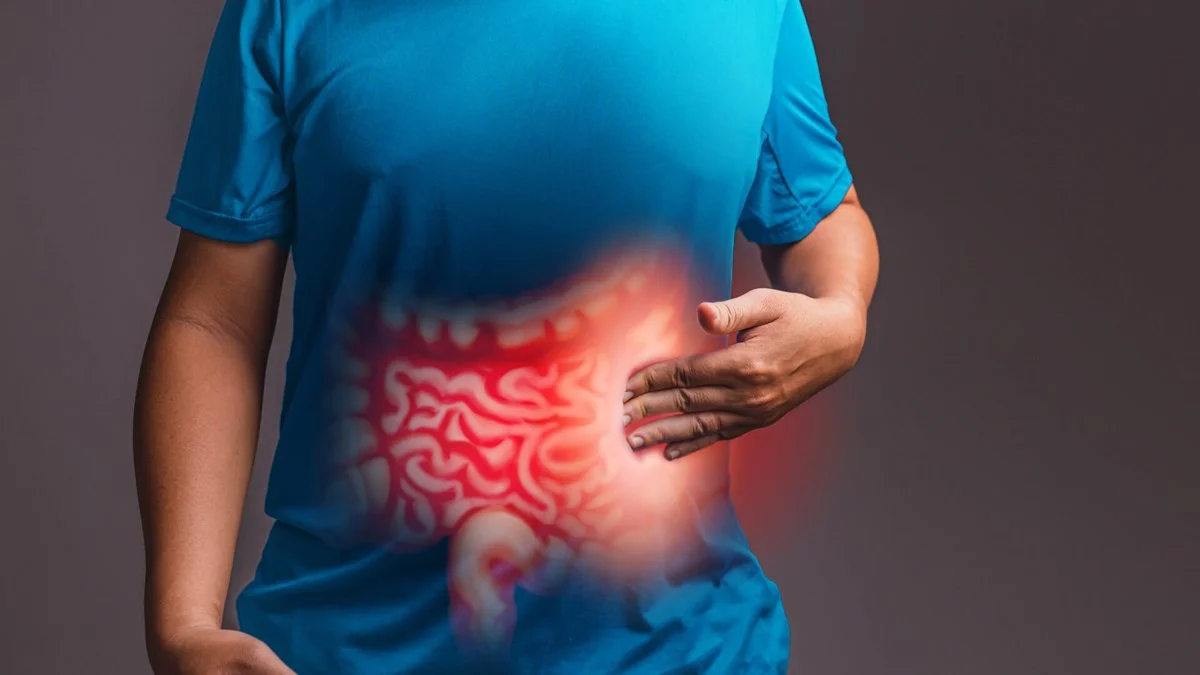
The spleen is your body's largest lymphatic organ and one of its primary immune surveillance centers. It filters the blood for pathogens, produces antibodies, stores red blood cells, and coordinates the immune response to bloodborne infections.
The spleen sits in the upper left abdomen, tucked under the lower left ribs, and receives its nerve supply from approximately T7-T9. In CMRT, the splenic Chapman's reflex point is located between the 7th and 8th ribs on the left side anteriorly, with the posterior point at the corresponding thoracic level.
When the spleen's Chapman's points are active — which I find frequently in patients with chronic immune challenges, fatigue, and recurrent infections — it indicates the spleen is under neurological stress and lymphatic congestion. CMRT treatment of the splenic reflex, combined with T7-T9 spinal correction, is part of a comprehensive immune-support protocol.
One of the most interesting clinical findings in my practice: patients who come in primarily for spinal care and who happen to have upper thoracic and mid-thoracic corrections often report, without being asked, that they seem to be "getting sick less" or "fighting things off faster." This is not coincidence. It is the nervous system doing its job better because the structural interference has been removed.
CMRT Applications for Respiratory and Immune Conditions
The CMRT approach to immune and respiratory health integrates spinal correction with organ-specific reflex therapy. Here are the primary conditions I address with this approach:
Chronic Allergies
Allergic rhinitis and seasonal allergies have a significant nervous system component. The T2-T4 region governs bronchial reactivity and sinonasal autonomic tone. Chronic subluxation here keeps the sympathetic system in a state of hyper-reactivity, amplifying the allergic response. Upper thoracic adjusting combined with sinus and lung Chapman's point treatment can significantly reduce the severity and frequency of allergic episodes over time.
Asthma
The bronchi are under dual autonomic control: sympathetic input causes bronchodilation; parasympathetic input causes bronchoconstriction. T2-T5 subluxation can disrupt this balance, favoring bronchoconstriction. I work closely with patients' medical teams when asthma is involved — chiropractic is a powerful adjunct to, not a replacement for, properly managed asthma care.
Recurrent Colds and Flu
Patients who catch every circulating virus need immune reconditioning, not just symptom management. A thorough upper thoracic and splenic protocol, combined with adrenal support (many frequent-illness patients are also chronically stressed and adrenally taxed), is the foundation of immune-resilience care.
Chronic Bronchitis and Sinusitis
Long-standing respiratory infections leave scar-like reflex patterns in the Chapman's points and persistent subluxation patterns in the upper thoracic spine. Consistent CMRT care over two to three months can make a meaningful difference in the frequency and intensity of flares.
The Lymphatic System Connection
The thoracic region is also the home of the thoracic duct — the major lymphatic drainage vessel in the body. The thoracic duct collects lymph from the lower body and left side and empties it into the left subclavian vein at the base of the neck.
Restrictions in the upper thoracic spine and thoracic cage directly impair the pumping action that drives lymphatic flow. Thoracic chiropractic adjustments create rhythmic motion in the ribcage and thoracic spine that acts as a mechanical pump for lymphatic drainage. This is one more mechanism by which upper thoracic care improves immune function — not just through the nervous system, but through improved lymphatic circulation.
Cedar Season in San Antonio
If you live in San Antonio, you know that December through February is cedar season — and it is brutal. Mountain Cedar (Ashe juniper) releases pollen in extraordinary quantities throughout the Hill Country, and the San Antonio air quality during peak cedar can be genuinely hazardous for sensitive individuals.
I see a significant uptick in allergy and respiratory complaints every year starting in November. For patients who get regular upper thoracic and immune-focused chiropractic care year-round, cedar season tends to be significantly more manageable. For patients who only come in when they're suffering, we work through the acute phase and then talk about building the kind of structural and immunological resilience that makes next season less devastating.
Key Takeaways
- Historical data from the 1918 flu pandemic showed dramatically lower mortality rates in chiropractic patients compared to medical patients, pointing to a nervous system-immune connection.
- T2-T5 is the primary autonomic control zone for the lungs, bronchi, and thymus — key immune organs.
- The spleen, the body's largest lymphatic organ, receives nerve supply from T7-T9 and has specific Chapman's reflex points that become active during immune stress.
- CMRT-based immune protocols address chronic allergies, asthma, recurrent infections, and chronic bronchitis through combined spinal correction and organ reflex treatment.
- Thoracic adjustments also improve lymphatic drainage through the thoracic duct, adding a mechanical immune-support mechanism.
If cedar season knocks you out every year, or if you seem to catch every cold that comes through your household, let's talk about building your immune foundation from the inside out. Call Pura Vida Chiropractic at (210) 685-1994 or visit us at 2318 NW Military Hwy #103 in San Antonio. Hablamos español.