Neck Pain From Working at a Desk? A San Antonio Chiropractor Explains Why
Desk work is one of the leading causes of chronic neck pain. Dr. Dan Foss explains the mechanics of why sitting at a computer destroys your cervical spine — and what actually fixes it.
If you spend most of your workday in front of a screen, and you regularly end the day with a stiff neck, tight shoulders, and a headache brewing at the base of your skull — you're not imagining it. Something is genuinely wrong, and it's not going to fix itself.
Desk work is among the most structurally damaging things the human body can be subjected to. Not because any single moment of it is harmful, but because of what happens when you sustain the same compromised position for six, eight, or ten hours a day, day after day, year after year.
The Mechanics of Sitting Gone Wrong
The human body was designed for movement. Our joints, discs, and muscles are built around the assumption that we'll change positions frequently — walking, reaching, bending, lifting, rotating. The spine stays healthy by moving. Cartilage gets its nutrition through movement. Muscles stay functional through varied use.
When you sit at a desk for hours without moving, several damaging things unfold simultaneously.
The pelvis tilts posteriorly — most people who sit for long periods slump into a posture where the pelvis rotates backward and the lumbar lordosis (the natural inward curve of the low back) flattens or reverses. This shifts the entire load of the upper body forward and off the spine's natural weight-bearing axis.
The thoracic spine flexes — the mid-back rounds forward, compressing the anterior vertebral bodies and placing the posterior ligaments under sustained tension. After hours in this position, the thoracic kyphosis (the forward curve of the mid-back) becomes more exaggerated and less mobile.
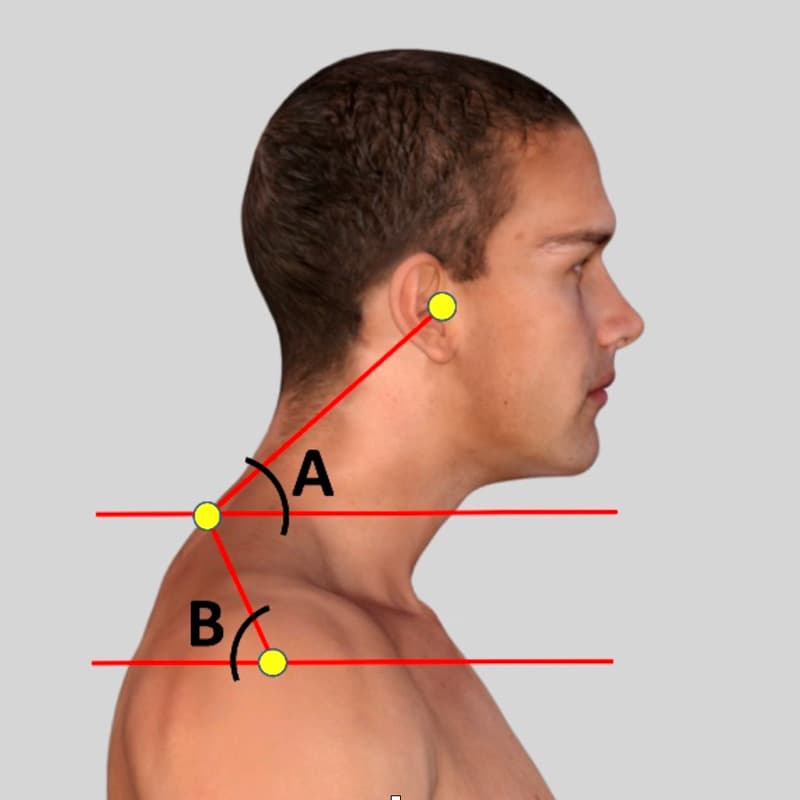
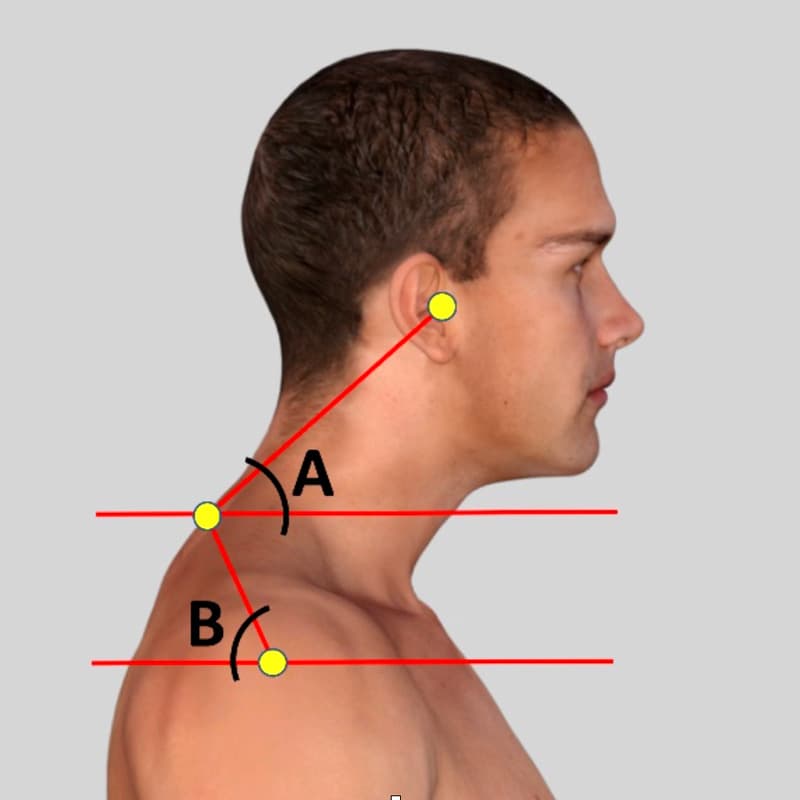
The head migrates forward — to maintain visual contact with the screen, the head naturally moves forward relative to the shoulders as the thoracic spine rounds. Every inch of forward head migration roughly doubles the effective load on the cervical spine. A head that's three inches forward represents roughly three times its normal weight loading down the cervical structures.
The cervical muscles brace chronically — the muscles at the base of the skull and through the upper neck fire continuously to prevent the head from falling further forward. They never get a break. By end of day, they're exhausted, shortened, and painful.
Why Your Headaches Are Coming From Your Neck
A significant portion of the headaches that San Antonio desk workers attribute to stress, eye strain, or dehydration are actually cervicogenic — meaning they originate in the cervical spine and radiate upward.
The suboccipital muscles (the small muscles connecting the skull to the first two cervical vertebrae) refer pain into the back of the head and toward the eye. The upper cervical joints, when restricted and irritated, can trigger head pain that mimics tension headache or even migraine. The scalene muscles in the front of the neck, when tight and trigger-pointed, refer pain into the head, neck, and down the arm.
The headache isn't in your head. It's in your neck.
The Cumulative Damage Problem
The frustrating thing about desk-work neck pain is that it develops so gradually. There's no single incident — no moment of injury. One day you just realize your neck has been tight for months, you haven't been able to turn your head fully without discomfort for as long as you can remember, and the headaches that you assumed were stress-related have become a daily occurrence.
By the time patients reach this point, the structural changes have typically been accumulating for years. The cervical curve has started to straighten. The discs may show early degeneration. The muscles are chronically shortened on one or both sides. The joints are restricted and irritated.
This is why "just stretch more" and "fix your posture" advice doesn't work on its own. Stretching relaxed muscles doesn't correct restricted spinal joints. Posture awareness doesn't restore a lost cervical curve. These require clinical intervention.
What Actually Works
Correcting desk-work neck pain at Pura Vida Chiropractic involves a multi-faceted approach:
SOT chiropractic adjustments address the full structural pattern — beginning at the pelvis and working upward through the thoracic and cervical spine. The cervical adjustment alone won't hold if the foundation (the pelvis and thoracic spine) is still dysfunctional.
Cranial therapy is particularly valuable for patients with persistent headaches, occipital tension, or upper cervical restriction that doesn't respond adequately to standard cervical adjustments.
Soft tissue work releases the chronically shortened suboccipitals, scalenes, and upper trapezius that perpetuate the structural dysfunction and prevent lasting joint correction.
Class IV laser therapy reduces inflammation and accelerates healing in discs and cervical joints showing degenerative changes.
Alongside treatment, Dr. Foss advises patients on workstation setup, movement breaks, and specific exercises to rebuild the deep cervical flexor strength that desk work erodes.
How Long Until You Feel Better?
Most desk-work neck pain patients notice meaningful improvement within the first two to four visits. Lasting structural correction — getting the curve back, stabilizing the joints, rebalancing the musculature — takes longer, but the relief patients experience during the process makes the investment worthwhile.
The alternative is what happens without treatment: continued degeneration, more frequent and severe headaches, eventual disc involvement, and a progressive loss of quality of life that sneaks up so gradually you barely notice until it's significantly limiting what you can do.
Ready to experience the difference?
Dr. Dan Foss and the Pura Vida team are accepting new patients. Call us at (210) 685-1994 or visit puravidasanantonio.com to schedule your first visit. We're open Monday, Tuesday, and Thursday 7am–4pm at 2318 NW Military Hwy #103, San Antonio, TX 78231.