How What You Eat Affects Your Spine: A Chiropractor's Take on Nutrition and Inflammation
Chronic back pain has a nutritional component most people never address. Dr. Dan Foss explains how systemic inflammation from diet accelerates spinal degeneration — and what to eat instead.

Chiropractic adjustments restore spinal alignment. Regenerative therapies accelerate tissue healing. But the food you eat every day either fuels recovery or actively works against it — and most patients with chronic pain have never considered the nutritional side of the equation.
That's a significant gap. Because if you're eating a pro-inflammatory diet and wondering why your spine doesn't heal the way it should, the answer is at least partially in what you're eating.
Inflammation Is the Common Thread
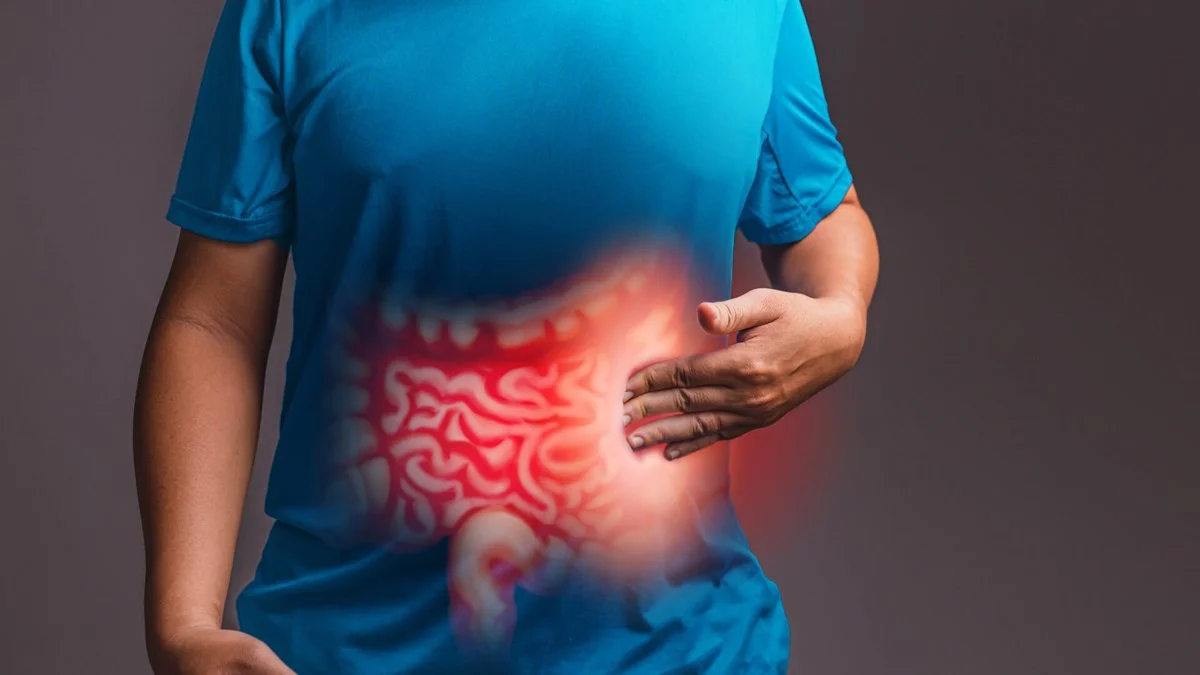
Most structural spinal conditions — disc degeneration, facet arthritis, nerve root irritation, muscle spasm — have a significant inflammatory component. Inflammation is the body's natural response to tissue damage, but when it becomes chronic and systemic rather than acute and localized, it stops being protective and starts accelerating the very damage it was meant to repair.
Systemic inflammation is driven in large part by diet. The modern Western diet — high in refined carbohydrates, industrial seed oils, processed foods, added sugars, and low in vegetables, fiber, and omega-3 fatty acids — creates a chronic, low-grade inflammatory environment throughout the body. Every tissue is affected, including spinal discs, joint cartilage, and the nerve structures passing through and around the spine.
Disc cartilage doesn't heal as effectively in an inflamed body. Nerve irritation doesn't resolve as quickly. Muscle spasm is more persistent. And the medications prescribed to manage these symptoms — NSAIDs, in particular — create their own set of problems with long-term use.
The Nutrients Your Spine Specifically Needs
Collagen is the primary structural protein in spinal discs, ligaments, and cartilage. The body synthesizes collagen from protein (specifically, adequate amounts of glycine, proline, and hydroxyproline) and requires vitamin C as a co-factor. Patients who are chronically protein-insufficient or vitamin C deficient heal connective tissue more slowly. Bone broth, quality animal proteins, and citrus or bell pepper intake support collagen synthesis.
Omega-3 fatty acids are among the most potent anti-inflammatory nutrients available. EPA and DHA — the forms found in fatty fish, fish oil, and algae-based supplements — directly inhibit pro-inflammatory cytokine production. For patients with disc-related nerve pain or inflammatory joint conditions, omega-3 intake can meaningfully reduce the inflammatory load on affected structures. Aim for two servings of fatty fish per week (salmon, mackerel, sardines) or supplement with a quality fish oil.
Magnesium plays a central role in muscle function and nerve transmission. Deficiency — which is widespread in the American population — contributes to muscle tension, spasm, and impaired nerve function. Many of my patients with chronic muscle tightness have been chronically magnesium deficient for years. Dark leafy greens, nuts, seeds, and supplemental magnesium glycinate or malate are excellent sources.
Vitamin D is essential for calcium metabolism and musculoskeletal health, but it's also a potent immune modulator with direct anti-inflammatory effects. San Antonio gets plenty of sun, but many patients are still deficient because they work indoors. Low vitamin D is associated with increased pain sensitivity, slower tissue healing, and greater risk of disc degeneration.
Calcium and phosphorus in appropriate balance support bone density and vertebral integrity. Dairy, leafy greens, and bone-in fish are good dietary sources. Long-term use of proton pump inhibitors (acid blockers) impairs calcium absorption — a fact worth knowing if you're managing osteoporosis risk.
What to Reduce
The most impactful dietary change most people with chronic spinal pain can make is reducing the pro-inflammatory foods that are driving systemic inflammation:
Refined carbohydrates and added sugars spike blood glucose, trigger inflammatory cytokine release, and accelerate glycation — a process that directly damages collagen and cartilage proteins. White bread, white rice, pastries, and sweetened beverages are the primary culprits.
Industrial seed oils — soybean oil, corn oil, canola oil, sunflower oil — are high in omega-6 fatty acids that compete with omega-3s for the same enzymatic pathways. An omega-6 to omega-3 ratio greater than 4:1 (the typical Western ratio is often 15:1 or higher) strongly predisposes toward a pro-inflammatory state.
Processed and ultra-processed foods contain a combination of refined carbohydrates, industrial oils, additives, and preservatives that collectively promote inflammation and gut dysbiosis — which itself drives systemic inflammatory signaling.
A Practical Starting Point
I don't ask my patients to overhaul their diets overnight. That doesn't work. But I do recommend starting with the highest-impact changes:
- Replace industrial oils with olive oil, avocado oil, and butter for cooking
- Add two to three servings of fatty fish per week (or start fish oil)
- Add a magnesium supplement at bedtime
- Get vitamin D levels checked and supplement if deficient
- Replace refined carbohydrate staples with whole food alternatives where possible
These changes, sustained consistently, create a measurably different inflammatory environment — one in which spinal tissues heal more effectively, treatments hold better, and chronic pain becomes progressively more manageable.
Nutrition isn't the whole picture. But it's a piece of the picture that most patients with chronic pain have never addressed. That's a significant missed opportunity.
Ready to experience the difference?
Dr. Dan Foss and the Pura Vida team are accepting new patients. Call us at (210) 685-1994 or visit puravidasanantonio.com to schedule your first visit. We're open Monday, Tuesday, and Thursday 7am–4pm at 2318 NW Military Hwy #103, San Antonio, TX 78231.