Occipital Neuralgia Chiropractor in San Antonio, TX | Dr. Dan Foss
Occipital neuralgia treatment at Pura Vida Chiropractic. Dr. Dan Foss uses cranial adjustments and SOT for neck pain relief in San Antonio.
Occipital Neuralgia Treatment at Pura Vida Chiropractic in San Antonio
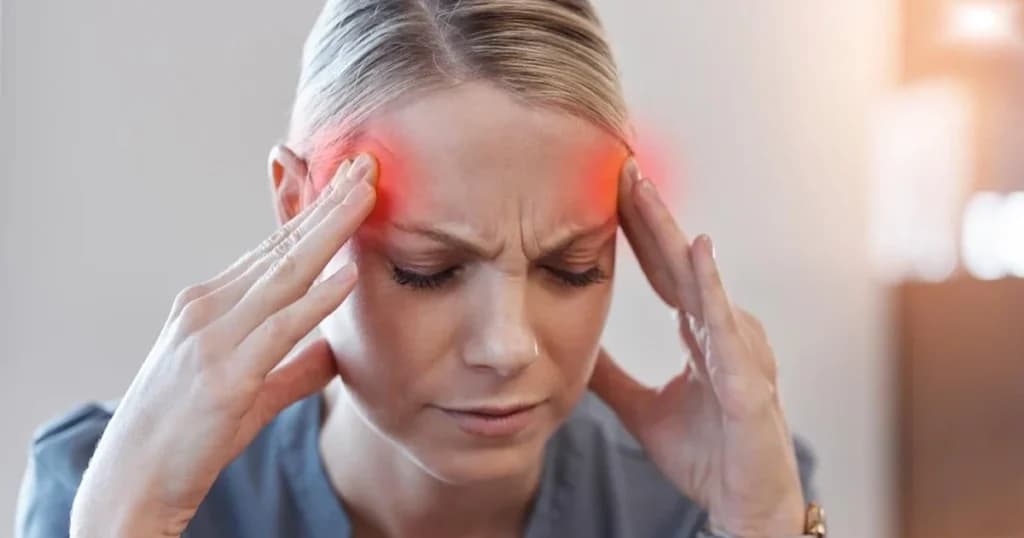
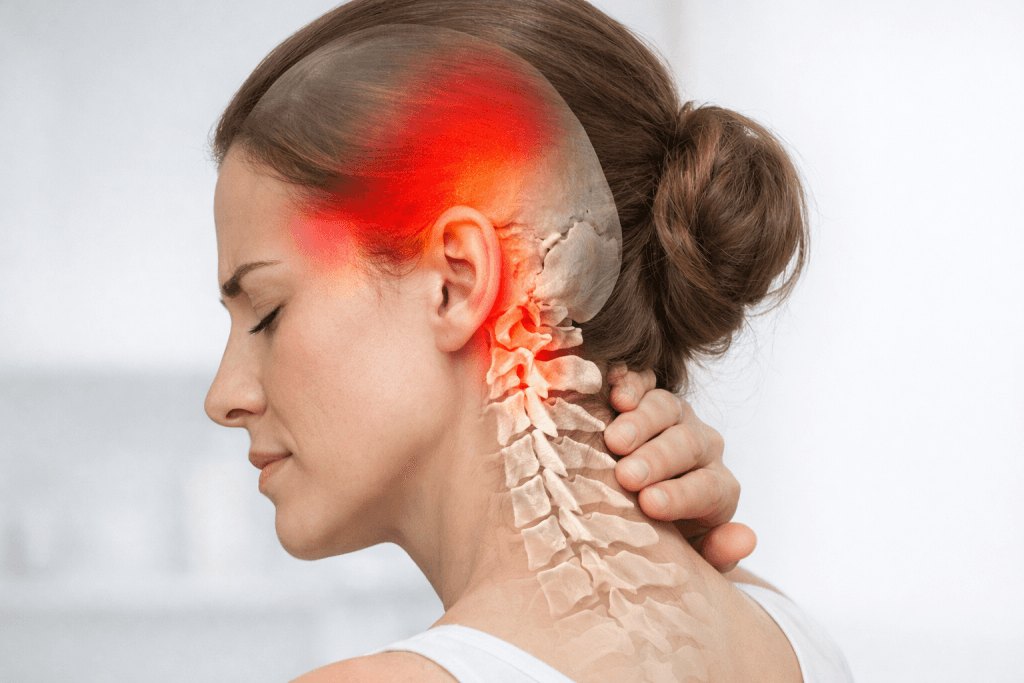
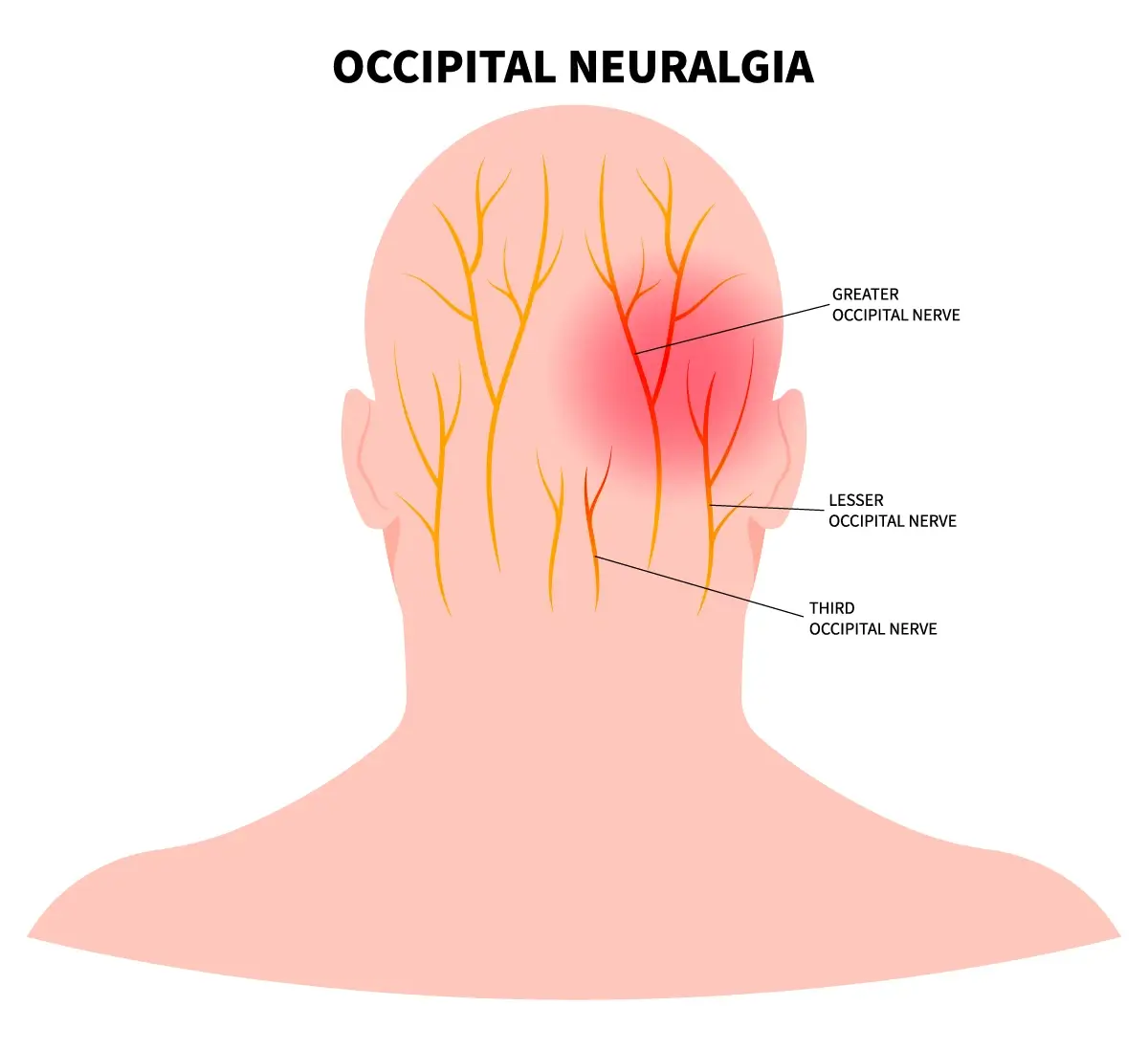
Occipital neuralgia is a distinctive pain condition characterized by sharp, piercing, or burning pain in the back of the head and neck. The pain follows the distribution of the occipital nerves—bilateral nerves that emerge from the upper cervical spine and ascend along the back of the skull. If you experience this type of pain, you understand how debilitating it can be. At Pura Vida Chiropractic, Dr. Dan Foss, DC specializes in identifying and correcting the spinal misalignments causing occipital nerve irritation through advanced SOT and cranial adjustment techniques.
Understanding Occipital Neuralgia: Symptoms and Characteristics
Occipital neuralgia produces distinctive symptoms:
Pain Characteristics
- Sharp, shooting, or burning pain in the back of the head
- Pain typically starts at the base of the skull
- Pain radiates upward toward the crown and temple areas
- Usually unilateral (one side) but can be bilateral
- Pain may throb or pulsate
- Intensity can range from mild to severe, sometimes incapacitating
Associated Symptoms
- Tenderness and sensitivity in the back of the neck and scalp
- Neck stiffness and restricted range of motion
- Sensitivity to light or sound during pain episodes
- Difficulty sleeping due to pressure or discomfort
- Muscle tension in the neck and shoulder muscles
Triggers
- Neck movement or rotation
- Prolonged neck extension
- Pressure on the back of the head (tight hats, headbands, tight hairstyles)
- Cold exposure
- Emotional or physical stress
- Poor posture or prolonged static positioning
Anatomy of Occipital Nerves and Their Vulnerability
The occipital nerves originate from the C1 and C2 nerve roots (the top two cervical vertebrae). These nerves exit the spine between the skull base and the atlas (C1) and between C1 and axis (C2). They then travel upward along the back of the skull, splitting into medial and lateral branches.
Because the occipital nerves have a narrow course through the upper cervical region, they're vulnerable to:
Direct Compression
Subluxations of C1 and C2 vertebrae can directly compress the occipital nerves as they exit the spine.
Soft Tissue Irritation
Tight muscles (particularly the suboccipitals, semispinalis capitis, and upper trapezius) can irritate the occipital nerves.
Vascular Tension
Tightness in structures around the occipital arteries can create tension on adjacent nerve structures.
Cranial Bone Restriction
Misalignment of the cranial bones, particularly the occipital bone, can create mechanical irritation of the occipital nerves.
Why Dr. Dan Foss's Approach Works for Occipital Neuralgia
Dr. Dan Foss specializes in occipital neuralgia because he understands that effective treatment requires addressing multiple components:
- Upper cervical subluxations causing direct nerve compression
- Cranial misalignments creating mechanical irritation
- Soft tissue dysfunction (muscle tension, fascial restriction)
- Nervous system dysfunction perpetuating pain signaling
His advanced SOT training and cranial expertise allow him to address all these components, producing superior outcomes for occipital neuralgia patients.
The Pura Vida Protocol for Occipital Neuralgia Relief
SOT Category I: Upper Cervical Subluxation Correction
The upper cervical spine (C1 and C2) is the most critical region for occipital neuralgia treatment. SOT Category I techniques precisely correct subluxations in this delicate area, restoring proper nerve root emergence and removing mechanical compression of the occipital nerves.
Dr. Foss's expertise in upper cervical adjustment is critical. Improper adjustments in this region can worsen symptoms or create complications. His precise, gentle techniques produce immediate relief for many patients by removing the mechanical irritation of the occipital nerves.
SOT Category II: Cranial Adjustment for Occipital Bone Release
The occipital bone forms the base of the skull and houses the foramen magnum (the opening through which the spinal cord enters the brain). Misalignments of the occipital bone create mechanical irritation of the occipital nerves and restrict cerebrospinal fluid circulation.
SOT Category II cranial adjustments specifically release restrictions in the occipital bone, normalized its alignment, and enhance cerebrospinal fluid flow. This cranial component is often essential for complete occipital neuralgia relief.
SOT Category III: Overall Neurological Integration
Category III corrections ensure that the entire nervous system is balanced and functioning optimally. By addressing overall spinal structure and nervous system integration, Dr. Foss creates conditions where pain signaling normalizes.
CMRT for Occipital Nerve Reflex Restoration
Chiropractic Manipulative Reflex Technique targets the reflex patterns controlling occipital nerve function. Specific reflex points correspond to the occipital nerves and their pain-modulation pathways. By stimulating these reflex patterns, Dr. Foss enhances the nervous system's ability to modulate occipital nerve pain.
CMRT often produces rapid improvements in occipital neuralgia. Many patients experience dramatic pain reduction within hours of treatment.
Class IV Laser Therapy for Occipital Nerve Healing
Class IV laser therapy penetrates deep into tissues surrounding the occipital nerves, reducing inflammation and promoting nerve healing. The laser energy stimulates cellular regeneration in the occipital nerve tissues, supporting recovery from compression and irritation.
Laser therapy is particularly valuable for chronic occipital neuralgia where prolonged nerve compression has caused tissue damage requiring healing.
The Complete Occipital Neuralgia Care Plan at Pura Vida Chiropractic
Initial Comprehensive Evaluation
Dr. Dan Foss performs detailed evaluation including:
- Thorough pain history (onset, location, radiation pattern, intensity)
- Neurological examination specific to occipital nerve function
- Upper cervical spine assessment
- Cranial bone evaluation
- Muscle tension and soft tissue assessment
- Palpation of occipital nerve exit points
This comprehensive evaluation identifies the specific component(s) of your occipital neuralgia.
Customized Treatment Protocol
Based on your specific pattern of upper cervical and cranial misalignment, Dr. Foss designs a customized treatment plan. Most patients require 2-3 adjustments per week initially, tapering as symptoms improve.
Specific Home Care Instructions
Dr. Foss provides specific exercises and stretches targeting the suboccipital muscles and upper cervical structures. These home care techniques accelerate healing and prevent recurrence.
Postural and Ergonomic Recommendations
Many occipital neuralgia cases involve postural stress. Dr. Foss assesses your posture and provides specific recommendations regarding computer position, pillow selection, sleeping position, and ergonomics.
Soft Tissue Therapy
When muscle tension contributes significantly to occipital neuralgia, Dr. Foss may recommend therapeutic massage or other soft tissue techniques to complement chiropractic adjustments.
Common Causes of Occipital Neuralgia
Poor Posture
Forward head posture and cervical kyphosis (excessive curve in the neck) place constant stress on the upper cervical spine and occipital nerves. This is the most common cause of occipital neuralgia in our modern world of desk work and device use.
Repetitive Neck Trauma
Occupations or activities requiring repetitive neck movements or sustained neck positions (hairdressers, computer workers, athletes) develop occipital neuralgia from cumulative trauma.
Acute Neck Injury
Car accidents, falls, sports injuries, or lifting accidents can immediately create C1/C2 subluxations causing occipital neuralgia.
Muscle Tension and Dysfunction
Chronic muscle tension in the suboccipitals and upper trapezius creates mechanical irritation of the occipital nerves.
Degenerative Changes
Osteoarthritis in the upper cervical spine or thickened ligaments can compress occipital nerves, particularly in older individuals.
Why Pain Persists Without Proper Treatment
Many occipital neuralgia sufferers receive treatment that addresses symptoms but not cause:
Pain Medications
While medications may provide temporary pain relief, they don't correct the mechanical problem causing nerve irritation. When medication wears off, pain returns.
General Massage
While massage may temporarily relax muscles, it doesn't correct the underlying subluxations causing the problem. Without correcting spinal misalignment, symptoms return.
Rest and Activity Modification
While these may provide temporary relief during acute episodes, they don't address the structural problem. As soon as normal activities resume, pain returns.
Incomplete Chiropractic Care
Some practitioners adjust the mid or lower spine but don't address the critical upper cervical and cranial components essential for occipital neuralgia relief.
Effective occipital neuralgia treatment requires correcting the specific subluxations causing nerve irritation and addressing the cranial component maintaining the problem.
Timeline for Occipital Neuralgia Improvement
Immediate Response (First Treatment): Many patients experience significant pain reduction immediately after upper cervical and cranial adjustment. Some experience complete pain relief after a single treatment.
Early Response (Weeks 1-2): Most patients experience substantial improvement in pain frequency and intensity within 1-2 weeks.
Significant Improvement (Weeks 2-4): By 4 weeks, many patients report major reduction in occipital neuralgia symptoms.
Substantial Relief (Weeks 4-8): Within 8 weeks, most patients experience dramatic improvement or complete resolution of symptoms.
Remission (2-3 months): Complete resolution typically occurs within 2-3 months of consistent care.
Timeline varies based on:
- Duration of occipital neuralgia before treatment
- Severity of upper cervical misalignment
- Presence of significant muscle tension
- Consistency with office visits
- Compliance with home care
Preventing Occipital Neuralgia Recurrence
Once your occipital neuralgia resolves, preventing recurrence requires:
Maintaining Proper Posture
Continue applying the posture principles Dr. Foss taught you, particularly during desk work and device use.
Regular Stretching and Strengthening
Continue suboccipital stretches and neck strengthening exercises to maintain muscle balance.
Periodic Maintenance Care
Many patients find that monthly or quarterly adjustments prevent occipital neuralgia from recurring.
Ergonomic Awareness
Maintain awareness of ergonomic stress and modify your environment to protect your cervical spine.
When Other Interventions Are Considered
While chiropractic care successfully treats the vast majority of occipital neuralgia cases, some patients might eventually consider:
Occipital Nerve Blocks
Medical physicians can perform injection-based nerve blocks that temporarily interrupt occipital nerve pain signaling. This is useful as a temporary measure while chiropractic care addresses the underlying cause.
Neurostimulation
In severe cases unresponsive to conservative care, neurostimulation devices can be implanted to interrupt pain signaling.
Surgery
Rarely, surgical decompression of the occipital nerves is considered when conservative measures have failed.
Dr. Foss coordinates care with medical physicians if your case requires consideration of these options.
Why San Antonio Residents Choose Pura Vida Chiropractic for Occipital Neuralgia
Dr. Dan Foss is bilingual (English/Spanish), advanced SOT certified, and highly specialized in upper cervical and cranial adjustments for neurological conditions. His expertise in occipital neuralgia specifically makes him the ideal choice for San Antonio residents.
Our office at 2318 NW Military Hwy Suite 103, San Antonio TX 78231 provides a welcoming environment for patients with occipital nerve pain. We offer convenient hours (Monday, Tuesday, Thursday 7:00am-4:00pm) to fit your treatment schedule.
Experience Relief from Occipital Neuralgia
Occipital neuralgia doesn't have to be a chronic condition. Dr. Dan Foss at Pura Vida Chiropractic has helped countless San Antonio residents achieve complete relief from this painful condition.
Call us today at (210) 685-1994 to schedule your comprehensive occipital neuralgia evaluation. Let us help you experience the relief and quality of life improvement that comes from addressing the root cause of your pain.
Begin your occipital neuralgia recovery at Pura Vida Chiropractic in San Antonio today.