Shoulder Impingement Chiropractor in San Antonio, TX | Dr. Dan Foss
Shoulder impingement treatment at Pura Vida Chiropractic. Dr. Dan Foss uses SOT and advanced techniques for shoulder pain relief in San Antonio.
Shoulder Impingement Treatment at Pura Vida Chiropractic in San Antonio
Shoulder impingement syndrome causes pain, weakness, and restricted motion that can significantly limit your daily activities and professional work. Whether you experience pain when raising your arm, reaching behind your back, or sleeping on the affected shoulder, the underlying problem is mechanical compression of the rotator cuff tendons and subacromial bursa. At Pura Vida Chiropractic, Dr. Dan Foss, DC specializes in identifying and correcting the spinal and shoulder misalignments causing impingement through advanced SOT and comprehensive assessment techniques.
Understanding Shoulder Impingement: Anatomy and Pathophysiology
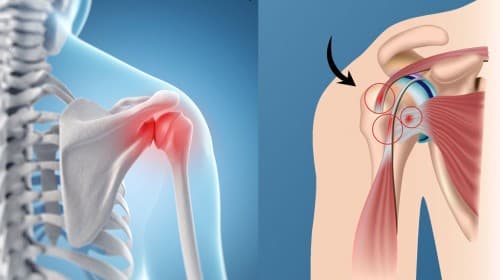
Shoulder impingement occurs when the subacromial space—the narrow space beneath the acromion process and coracoid ligament—becomes compromised. The rotator cuff tendons (supraspinatus, infraspinatus, teres minor, subscapularis) and the subacromial bursa normally move freely through this space. When the space narrows, these structures become pinched, causing inflammation, pain, and gradually, functional loss.
Structures at Risk
- Supraspinatus tendon: The most commonly impinged rotator cuff tendon
- Subacromial bursa: The fluid-filled sac that reduces friction
- Long head of biceps tendon: Often affected when supraspinatus impingement occurs
- Infraspinatus and teres minor: May be impinged in more severe cases
Common Impingement Mechanisms
Acromion Shape: Some people have hooked acromions that naturally narrow the subacromial space.
Postural Dysfunction: Forward shoulder posture and increased thoracic kyphosis reduce subacromial space.
Rotator Cuff Weakness: Weak rotator cuff muscles fail to properly position the humeral head, increasing impingement risk.
Scapular Dyskinesis: Abnormal scapular (shoulder blade) movement creates impingement mechanics.
Cervical and Thoracic Subluxations: Spinal misalignments alter shoulder biomechanics and nerve supply to shoulder muscles.
Inflammation and Bursa Enlargement: Swelling of the subacromial bursa reduces available space.
The Spinal Connection to Shoulder Impingement
Many shoulder impingement cases have a spinal origin that's frequently overlooked. The cervical spine (particularly C5 and C6) provides nerve supply to the rotator cuff muscles. Additionally, the thoracic spine affects scapular position and shoulder mechanics. When vertebral subluxations occur in these regions, they impair rotator cuff muscle function and alter shoulder biomechanics, creating or perpetuating impingement.
Furthermore, cervical and thoracic spine misalignments create postural dysfunction that directly contributes to shoulder impingement. Forward head posture and thoracic kyphosis (excessive upper back curve) narrow the subacromial space, creating mechanical compression.
Dr. Dan Foss's comprehensive approach addresses both the shoulder itself and the spinal misalignments contributing to impingement.
Why Dr. Dan Foss's Approach Works for Shoulder Impingement
Dr. Dan Foss has successfully treated hundreds of shoulder impingement cases at Pura Vida Chiropractic since 2010. His advanced SOT training and comprehensive understanding of shoulder biomechanics make him uniquely qualified to address impingement at multiple levels simultaneously.
The key to his success is recognizing that effective shoulder impingement treatment requires:
- Correcting cervical and thoracic spinal misalignments affecting shoulder function
- Restoring proper scapular biomechanics
- Reducing inflammation and relieving mechanical impingement
- Strengthening weak rotator cuff muscles
- Correcting postural dysfunction
His comprehensive approach addresses all these components, producing superior outcomes for shoulder impingement patients.
The Pura Vida Protocol for Shoulder Impingement Relief
SOT Category I: Cervical and Thoracic Alignment
The cervical spine (particularly C4, C5, C6) provides nerve supply to rotator cuff muscles. Subluxations in this region impair muscle function and create functional shoulder instability. SOT Category I techniques correct cervical subluxations, restoring proper nerve supply and rotator cuff muscle function.
The thoracic spine directly affects scapular position. Thoracic spine misalignments create scapular dyskinesis (abnormal movement), which mechanically narrows the subacromial space and promotes impingement. SOT Category I corrections restore proper thoracic alignment, normalizing scapular mechanics.
SOT Category II: Cranial-Related Shoulder Dysfunction
While the cranium's connection to shoulder impingement isn't obvious, cranial misalignments create autonomic nervous system dysfunction affecting shoulder muscle function. The parasympathetic nervous system (which promotes muscle relaxation and healing) is compromised by cranial restrictions. SOT Category II cranial adjustments enhance parasympathetic function, allowing rotator cuff muscles to relax and normalize.
SOT Category III: Overall Structural Integration
Category III corrections ensure that the entire spine is structurally sound and mechanically efficient. By addressing overall spinal alignment, Dr. Foss optimizes the biomechanical foundation upon which shoulder function depends.
CMRT for Rotator Cuff Reflex Enhancement
Chiropractic Manipulative Reflex Technique directly stimulates the neurological reflexes controlling rotator cuff muscle function and shoulder stability. Specific reflex points correspond to rotator cuff muscles (supraspinatus, infraspinatus, teres minor, subscapularis). By addressing these reflex patterns, Dr. Foss enhances rotator cuff strength and coordination.
CMRT often produces rapid improvements in shoulder impingement. Many patients experience increased strength and decreased impingement symptoms after treatment.
Class IV Laser Therapy for Tendon and Bursa Healing
Class IV laser therapy penetrates deep into shoulder tissues, reducing inflammation in the subacromial bursa and impinged tendons. The laser energy stimulates cellular healing in tendon tissues and reduces the inflammatory cascade that perpetuates impingement.
Laser therapy is particularly valuable for acute impingement with significant inflammation or chronic impingement where tissue damage requires healing.
Shockwave Therapy for Chronic Tendon Dysfunction
For chronic shoulder impingement with significant tendon degeneration, shockwave therapy stimulates tissue regeneration and healing. The mechanical waves trigger biological responses that promote tissue repair and improve the structural health of affected tendons.
The Complete Shoulder Impingement Care Plan at Pura Vida Chiropractic
Initial Comprehensive Evaluation
Dr. Dan Foss performs detailed evaluation including:
- Thorough shoulder pain history and activity analysis
- Neurological examination of cervical nerve function
- Orthopedic testing specific to impingement (Neer test, Hawkins test, etc.)
- Cervical and thoracic spine assessment
- Scapular mechanics evaluation
- Range of motion and strength testing
- Postural assessment
This comprehensive evaluation identifies the specific mechanisms contributing to your impingement.
Customized Treatment Protocol
Based on the specific components of your shoulder impingement, Dr. Foss designs a customized treatment plan. Most patients require 2-3 adjustments per week initially, with frequency adjusted based on improvement.
Specific Strengthening and Rehabilitation Exercises
Dr. Foss prescribes specific rotator cuff strengthening exercises targeting your particular pattern of weakness. These exercises are progressed as strength improves.
Postural Correction and Ergonomic Modifications
Dr. Foss assesses your posture and provides specific recommendations regarding work positioning, sleeping position, carrying mechanics, and other factors affecting shoulder stress.
Activity Modification During Healing
Dr. Foss recommends specific activity modifications that allow continued function while allowing the shoulder to heal. You don't need to completely rest; rather, you should avoid positions and activities that aggravate impingement.
Progress Monitoring with Functional Reassessment
Regular reassessments track improvements in range of motion, strength, and pain. Treatment is adjusted based on your functional progress.
Why Shoulder Impingement Develops
Postural Dysfunction
Forward shoulder posture and increased thoracic kyphosis (hunchback position) mechanically narrow the subacromial space, creating impingement risk.
Cervical Spine Misalignments
C5 and C6 subluxations impair rotator cuff muscle innervation, creating weakness and instability that perpetuates impingement.
Repetitive Overhead Activities
Activities requiring repetitive shoulder elevation (overhead throwing, painting, swimming, racquet sports) create cumulative trauma to shoulder structures.
Rotator Cuff Weakness
Whether from neurological dysfunction, deconditioning, or previous injury, rotator cuff weakness directly contributes to impingement by allowing humeral head migration.
Scapular Dyskinesis
Abnormal scapular (shoulder blade) movement creates abnormal shoulder biomechanics that promote impingement.
Aging and Degeneration
As we age, tendons naturally weaken and develop degenerative changes, increasing impingement risk.
Differentiating Impingement from Other Shoulder Conditions
Impingement vs. Rotator Cuff Tear
Impingement produces pain with arm raising but often normal strength initially. Rotator cuff tears produce both pain and weakness. However, impingement can progress to tears if untreated.
Impingement vs. Frozen Shoulder (Adhesive Capsulitis)
Impingement produces pain with specific movements (particularly raising the arm forward or internally rotating). Frozen shoulder produces global stiffness and pain throughout the shoulder's range of motion.
Impingement vs. Shoulder Dislocation History
Previous dislocations create instability that can predispose to impingement, but the underlying mechanisms differ.
Impingement vs. Bursitis Alone
Pure bursitis involves inflammation of the bursa; impingement involves structural compression of the bursa and tendons. Both often coexist.
Conservative vs. Surgical Treatment
The vast majority of shoulder impingement cases respond to conservative chiropractic care. Surgery (subacromial decompression) is rarely necessary. Dr. Foss coordinates with orthopedic surgeons and provides surgical referral only when conservative care has failed after an adequate treatment period (typically 12+ weeks).
Timeline for Shoulder Impingement Improvement
Early Response (Weeks 1-2): Many patients experience reduced pain and improved range of motion within 1-2 weeks.
Significant Improvement (Weeks 2-4): Most patients see notable improvement in impingement symptoms within 4 weeks.
Substantial Relief (Weeks 4-8): By 8 weeks, most patients report significant improvement in both pain and function.
Major Improvement (Weeks 8-12): Complete or near-complete resolution typically occurs within 12 weeks.
Timeline varies based on:
- Duration of impingement before treatment
- Severity of structural changes
- Presence of rotator cuff weakness
- Consistency with office visits
- Compliance with exercises and activity modifications
Preventing Shoulder Impingement Recurrence
Once your impingement resolves, preventing recurrence requires:
Maintaining Proper Posture
Continue applying postural principles Dr. Foss taught you, particularly during work and daily activities.
Continuing Rotator Cuff Strengthening
Continue performing your rotator cuff exercises even after symptoms resolve. Maintenance exercises prevent recurrence.
Periodic Maintenance Adjustments
Many patients find that monthly adjustments prevent shoulder impingement from returning.
Ergonomic and Activity Awareness
Maintain awareness of activities and postures that previously triggered impingement and continue to modify as needed.
Why San Antonio Residents Choose Pura Vida Chiropractic for Shoulder Impingement
Dr. Dan Foss is bilingual (English/Spanish), advanced SOT certified, and highly specialized in shoulder biomechanics and treatment. His comprehensive approach to shoulder impingement, addressing both local shoulder dysfunction and spinal contributions, makes him uniquely qualified.
Our office at 2318 NW Military Hwy Suite 103, San Antonio TX 78231 provides a welcoming environment for shoulder pain patients. We offer convenient hours (Monday, Tuesday, Thursday 7:00am-4:00pm) to fit your treatment schedule.
Reclaim Full Shoulder Function
Shoulder impingement doesn't have to limit your life or prevent you from doing the activities you enjoy. Dr. Dan Foss at Pura Vida Chiropractic has the expertise and advanced techniques to help you overcome impingement and restore full shoulder function.
Call us today at (210) 685-1994 to schedule your comprehensive shoulder evaluation. Let us help you return to pain-free, full-function shoulder movement.
Begin your shoulder impingement recovery at Pura Vida Chiropractic in San Antonio today.