The Ileocecal Valve: The Most Overlooked Structure in Chiropractic Care
The ileocecal valve controls the flow between your small and large intestine — and when it malfunctions, it causes a cascade of symptoms that can mimic appendicitis, constipation, hip pain, and chronic toxicity.
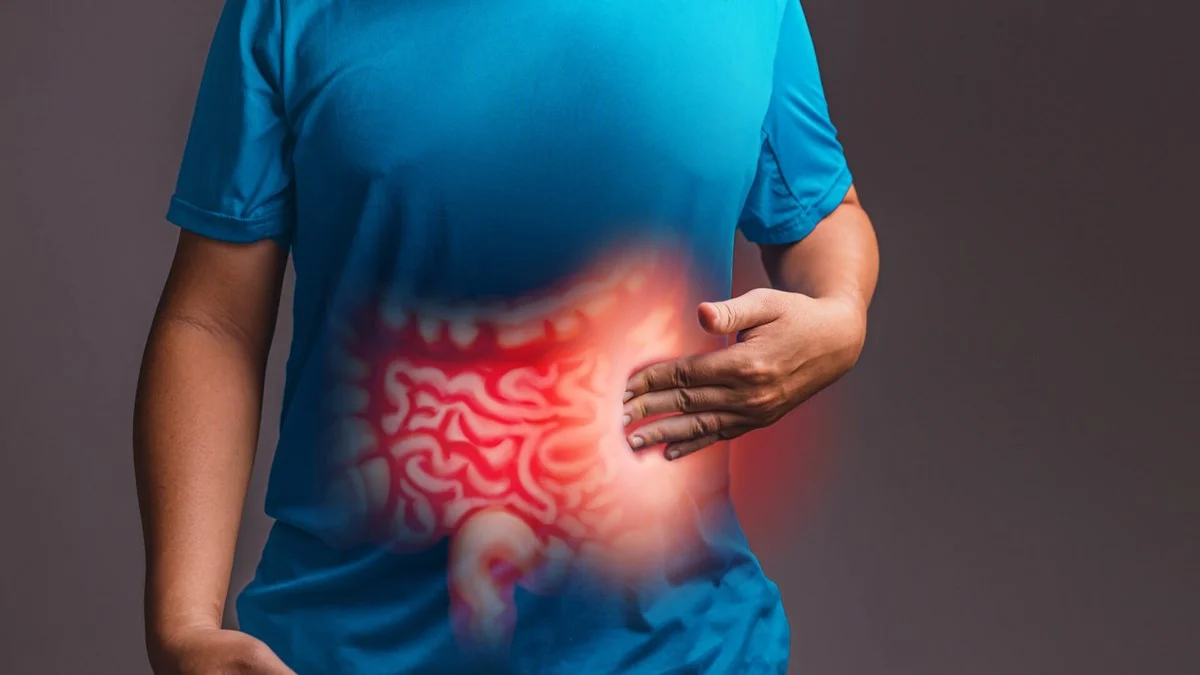
If I had to pick one structure in the human body that is consistently under-examined, under-appreciated, and under-treated — it would be the ileocecal valve.
Most people have never heard of it. Many physicians rarely think about it. But in my 23 years of practice, I've seen the ileocecal valve be the hidden driver behind everything from chronic right hip pain and constipation to fatigue, brain fog, and what patients describe as feeling "toxic." Once you understand what this little valve does, you'll never look at digestive health the same way again.
What Is the Ileocecal Valve?
The ileocecal valve — often abbreviated ICV — is a muscular sphincter located in the lower right abdomen, right at the junction between the small intestine (ileum) and the large intestine (cecum). Its job is deceptively simple but profoundly important: it acts as a one-way gate that allows digested food and liquid to pass from the small intestine into the large intestine while preventing the contents of the large intestine from flowing back upstream.
Think about what lives in your large intestine. Bacteria. Waste. Toxic byproducts of digestion. The ileocecal valve keeps all of that downstream where it belongs. When it functions properly, you never think about it. When it malfunctions, the consequences can be systemic.
When the ICV Gets Stuck Open
A valve stuck in the open position allows colonic contents — including bacteria, endotoxins, and partially digested waste — to reflux back into the small intestine. This is sometimes called "ileocecal valve syndrome," though conventional medicine rarely uses that term.
Symptoms of an ICV stuck open include:
- Loose stools or diarrhea
- Nausea, especially in the morning
- Right shoulder or right-side mid-back pain
- Sudden fatigue or a "toxic" feeling
- Bad breath and body odor
- Dark circles under the eyes
- Flu-like symptoms without actual flu
The resulting bacterial overgrowth in the small intestine (often called SIBO) creates an inflammatory cascade that strains the liver, disrupts nutrient absorption, and chronically taxes the immune system.
When the ICV Gets Stuck Closed
The opposite problem — a valve stuck closed — prevents adequate passage from small to large intestine. This leads to:
- Constipation and bloating
- Lower right abdominal pain that can mimic appendicitis
- Right hip and groin pain
- Headaches
- Gas and distension after meals
- Referred pain into the right shoulder blade
I've had patients come in convinced they had appendicitis. They'd been to the ER, been cleared, and sent home without answers. When I palpate the right iliac fossa — right near McBurney's point, where appendicitis pain presents — and find a tender, congested ileocecal valve, the picture often becomes clear.
The Right Iliac Fossa Reflex Point
In Chiropractic Manipulative Reflex Technique (CMRT), the ileocecal valve has a specific diagnostic and treatment point in the right iliac fossa, located roughly one-third of the way between the right anterior superior iliac spine (ASIS) and the navel. This is very close to McBurney's point, which is why ICV dysfunction is so often confused with appendicitis.
When the ICV is stressed, this point becomes exquisitely tender. Patients will often say, "I didn't even know that spot was there until you pressed on it." That tenderness is a neurolymphatic signal — the body's way of flagging congestion and dysfunction in the reflex field associated with that organ.
How CMRT Addresses the ICV
CMRT-trained practitioners use a specific manual protocol to normalize ICV tone. The technique involves:
- Palpation and assessment — identifying whether the valve is hypertonic (stuck closed) or hypotonic (stuck open) based on symptom picture and reflex point tenderness
- Visceral manipulation — gentle, sustained contact over the valve to normalize sphincter tone
- Chapman's reflex point treatment — addressing the neurolymphatic reflex points associated with the small and large intestine
- Spinal correction — the ICV receives its autonomic nerve supply from the thoracolumbar region (approximately T10-L2), so spinal subluxations in this area perpetuate ICV dysfunction
This is not a rough or uncomfortable procedure. Most patients are surprised at how light the contact is — and how much relief they feel afterward.
Dietary Triggers That Chronically Stress the ICV
The ileocecal valve is highly sensitive to certain foods and lifestyle factors. Common triggers include:
- Rough, scratchy foods: popcorn, chips, raw celery, seeds, nuts (especially for a stuck-open valve)
- Spicy foods: hot peppers, salsa, chili — foods that irritate the intestinal lining and promote inflammation in the region
- Caffeine and alcohol: both increase intestinal motility and can dysregulate valve tone
- Chocolate: a frequent offender, particularly for patients with a stuck-open ICV
- NSAIDs (ibuprofen, aspirin): chronically irritate the intestinal lining and disrupt mucosal integrity
Why I See This So Often in San Antonio
Our food culture here in San Antonio is one I love — the chile, the tamales, the caldo, the barbacoa. But it also means many of my patients are eating diets that include significant amounts of spicy, highly seasoned, and processed foods on a daily basis. Add in the stress of modern life, the prevalence of NSAID use for pain management, and irregular eating schedules, and you have a perfect recipe for chronic ICV dysfunction.
I've also noticed that patients under high psychological stress tend to present with ICV dysfunction more frequently. The gut-brain axis is real — chronic sympathetic dominance suppresses proper digestive motility, and the ileocecal valve sits right at the center of that disruption.
Key Takeaways
- The ileocecal valve is a one-way gate between your small and large intestines. When it fails, symptoms can be wide-ranging and confusing.
- A stuck-open ICV causes toxic backflow, loose stools, fatigue, and systemic inflammation. A stuck-closed ICV causes constipation, bloating, and right lower abdominal pain that mimics appendicitis.
- CMRT-trained chiropractors can assess and treat ICV dysfunction using gentle visceral manipulation and reflex point therapy.
- Dietary triggers — especially spicy foods, caffeine, chocolate, and rough-textured foods — are major contributors to chronic ICV stress.
- Spinal subluxations in the T10-L2 region perpetuate ICV dysfunction by disrupting the valve's autonomic nerve supply.
If you've been dealing with chronic digestive issues, unexplained right hip or lower abdominal pain, fatigue, or that hard-to-describe "toxic" feeling — the ileocecal valve may be at the root of it all.
Give us a call at (210) 685-1994 to schedule a CMRT evaluation at Pura Vida Chiropractic. We serve patients throughout San Antonio from our office at 2318 NW Military Hwy #103, and we're happy to speak with you in English or Spanish. Your gut health affects everything — let's take a closer look.