
Tongue-Tie and Chiropractic
## **What every parent needs to know about Tongue-Tie and Chiropractic** Tongue-tie or its medical term ankyloglossia is a condition where someone is born with a shorter, thick, or tight band of conn
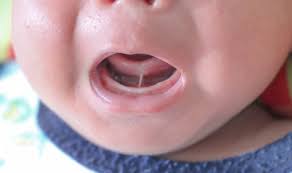
What every parent needs to know about Tongue-Tie and Chiropractic
Tongue-tie or its medical term ankyloglossia is a condition where someone is born with a shorter, thick, or tight band of connective tissue at the base of the tongue or the floor of the mouth which restricts the movement of the tongue. The limitation of movement can cause not only a problem with eating, speaking, and swallowing but also latching. In children tongue tie can lead to speech delays and learning disabilities and in adults can lead to dental, neck issues, and headaches.
Many times tongue-tie goes undiagnosed for many years and is discovered later on in life.“What many parents see as tongue-tie is really tongue dysfunction. We will get more into this later but first you need to understand the consequences of having tongue-tie. ” – Dr Foss
What are the consequences of having a tongue-tie:
-
Babies that have tongue-tie can have great difficulty with latching. Many times this will appear as symptoms for mom such as “bleeding nipples” or pain around the nipple area. Many mothers will think that they are the one with the problem and thus turn their baby to formula which can have a great impact on their babies immune system.
-
Babies will end up chewing on the nipple instead of sucking which can again lead to “bleeding nipples” and also lead to long-term consequences of malnutrition for baby and infection for mother’s.
-
Tongue-tied children and adults many times have difficulty with rolling “r” sounds or pronouncing the letters “d”, “l”, “s”, “t” and “z”.
-
Tongue-tie can also lead to dental issues because the tongue is essentially what cleans food and debris out of the mouth and over time this can lead to issues like gingivitis or gum disease.
How can a Chiropractor Help Infants and Children and Even Adults with Tongue-Tie?
-
The first step is taking a detailed history and determining any functional limitations or symptoms due to tongue tie. Also, physically examining the tongue and mouth.
-
Second if tongue-tie surgery has been performed check to see the amount of healing that has occurred or if the tie has been completely removed.
-
The next step is doing a complete Chiropractic and Neurological workup including an evaluation of the spine and nervous system and also checking cranial nerves of the head and face. Many times babies that have had a difficult birth or have had some form of trauma either cesarean or difficult labor many times can have issues with cranial bones being subluxated or misaligned. One test we look at is called the “cortisol sign” where a baby can turn their wrists in and thump their chests indicating they are distressed.
-
When the bones of the cranium misalign they pinch nerves particularly the nerves that go to the tongue. Our office focuses on specific cranial techniques to address issues with the cranium:
Vagus nerve – which is responsible for the parasympathetic control of the body and controls not only digestion but soothing and calming. If this nerve is compressed it can cause a baby to be more distressed.
-
Hypoglossal nerve – this nerve controls the muscles of the tongue. If this nerve is compressed the tongue will appear asymmetrical.
-
Facial nerve – this nerve controls taste and sensation on the tip of the tongue and if the nerve is compressed you can see how sensation can change in the tongue.
-
We also look alot at the gag reflex. Typically, the gag reflex should be a small area close to the uvula of the back of the throat. If the gag reflex is covering a larger area this indicates that the Vagus nerve is compressed and irritated.
-
We cannot forget to check the upper cervical spine as well because many times the upper neck can have a huge impact on the tongue.
How does a Chiropractor and Cranial Chiropractor help correct Tongue-Tie?
The most important thing I tell parents is to work with a team of professionals that are trained and have experience with tongue-tie.Having a good lactation consultant that has experience with tongue-tie is a great resource in helping to assist your baby in not only assessment but treatment. Here is San Antonio I recommend Kathy Parkes she is an amazing resource and very knowledgeable. Also Tina Castellanos is a tremendous source at the MILC group.I find that many times tongue-tie is not necessary something that requires surgery. I typically recommend that we do 2-3 sessions of chiropractic and cranial adjusting and if it doesn’t work explore the possibility of surgery.There are pediatric dentists that also specialize in tongue-tie surgery:
-
Dana Hodge King, D.D.S. located in San Antonio (Alamo Heights)
-
Evy Guerrero, D.D.S. located in Southwest Austin
-
Marilyn Brodeur, D.D.S. located in Corpus Christi, Texas
-
Manuel Castillo, D.D.S. located in San Antonio
Many times tongue-tie is due more to tongue dysfunction which can be corrected without surgery. Our office performs the tests we discussed earlier looking at the spine, nerves, and cranial nerves of the mouth to determine if there is some level of dysfunction. We make specific corrections to these cranial nerves by making small adjustments to the cranial bones and many times babies go back to latching correctly and not needing surgery. We monitor mom and baby closely to make sure that they are not only feeling good but functioning properly.I have advanced training in cranial adjusting through a technique called Sacral Occipital Technique ® which I am also an instructor. Through these cranial techniques being utilized around the world we have been able to help many babies avoid tongue-tie surgeries and also helped babies that have had tongue-tie surgery improve their ability to thrive after surgery.If you have any questions about how we can help give us a call.Yours in health, Dr Foss
Trusted San Antonio Resources for Nursing Families
If your baby is struggling with latching or feeding after a tongue tie release, chiropractic care is just one piece of the puzzle. Here are trusted San Antonio providers we recommend working alongside:
Lactation Consultants (IBCLC)
Finding an experienced IBCLC is essential. The Breastfeeding House — bilingual (Spanish/English) IBCLC Laura Gruber, private practice serving San Antonio since 2012, specializing in tongue tie and latching difficulties — is an excellent starting point. Leche and Mimi Lactation offers bilingual IBCLC support with in-home visits throughout Bexar County. For families dealing with painful latch, low supply, or post-release recovery, Breastfeeding Perspectives brings 30 years of experience helping San Antonio mothers. Families who prefer a hospital-based team can also reach the bilingual IBCLCs at University Health Lactation Services at the Women's & Children's Hospital by calling (210) 358-8255.
Doulas
Postpartum support makes a real difference in feeding success. Rooted Birth San Antonio provides evidence-based birth and postpartum doula support for San Antonio families. San Antonio Birth Doulas is a nonprofit organization offering birth support, postpartum visits, and lactation consultation across the city.
Midwives & Birth Centers
For families seeking holistic prenatal and postpartum care, Birth Center of San Antonio is staffed by licensed midwives and has chiropractic services available on site. San Antonio Nurse Midwife — Nikki McIver-Brown, CNM — offers holistic midwifery, home birth, and water birth in the San Antonio area.
At Pura Vida Chiropractic, we frequently co-manage tongue tie babies alongside IBCLCs and pediatric dentists to ensure the best outcomes. If you have questions about how chiropractic care fits into your baby's feeding journey, call us at (210) 685-1994.
Ready to Feel Better? Book Your Free Consultation Today
Pura Vida Chiropractic 2318 NW Military Hwy #103, San Antonio, TX 78231 📞 Call (210) 685-1994 🕐 Monday, Tuesday, Thursday: 7:00 AM – 4:00 PM